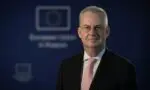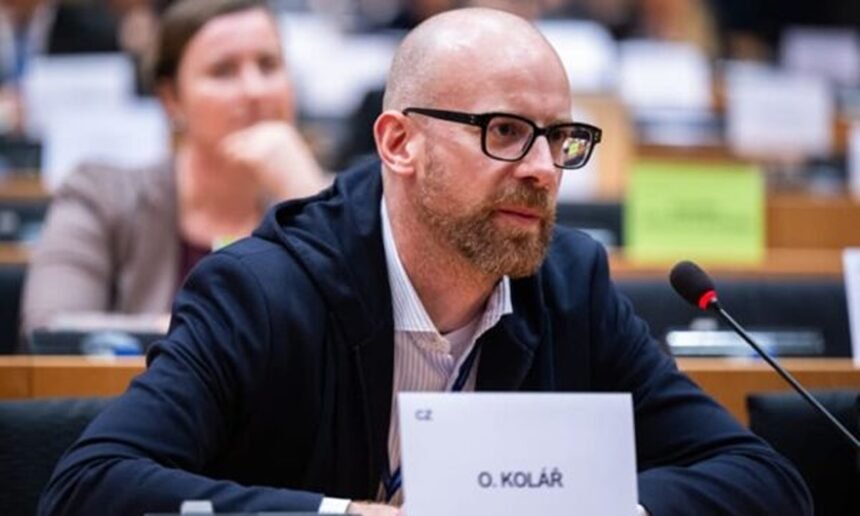
Czech Member of the European Parliament Ondřej Kolář is calling on the European Union to consider freezing Serbia’s EU accession negotiations over what he describes as the glorification of convicted war criminal Ratko Mladić.
Kolář, the European Parliament’s standing rapporteur for Bosnia and Herzegovina, said he plans to ask EU Enlargement Commissioner Marta Kos to consider suspending or freezing Serbia’s accession talks following reports that Mladić is set to receive state and military honors at his funeral.
His message was blunt: a country seeking EU membership cannot simultaneously honor individuals convicted of some of the gravest war crimes committed in Europe.
“Whoever wants to join the European Union cannot celebrate war criminals and fuel nationalism in the Balkans,” Kolář said in a Facebook post.
He added: “The highest honors for a war criminal? Definitely not in the EU.”
Kolář also criticized statements coming from Serbian officials, including Justice Minister Nenad Vujić, who has supported state and military honors for Mladić, and President Aleksandar Vučić, who has criticized the Hague tribunal.
The Czech MEP said his proposed letter to Commissioner Kos would ask the European Commission to examine freezing Serbia’s accession negotiations until Serbian authorities clearly distance themselves from the glorification of people convicted of war crimes.
He is also calling for the EU to halt further steps toward deeper Serbian integration into the Schengen area until Belgrade demonstrates a clear and sustained commitment to the political and legal principles underpinning European integration.
For Kolář, the issue goes beyond symbolism. He argues that glorifying Mladić disrespects the victims of the Bosnian war and risks undermining reconciliation and stability across the Western Balkans.
His intervention comes just as Marta Kos herself has warned Serbia that the glorification of convicted war criminals has no place in EU member states or candidate countries. Kos has also told Belgrade that it cannot “sit on two chairs” and must make a clear choice about its strategic direction.
Kolář stressed that his position is not opposition to EU enlargement itself.
“I am in favor of EU enlargement. But we cannot have admirers of mass murderers among us,” he said.
The proposed suspension would represent a significant political warning to Belgrade: European integration, Kolář argues, cannot be separated from accountability for war crimes, respect for victims and adherence to the values on which the EU is built.