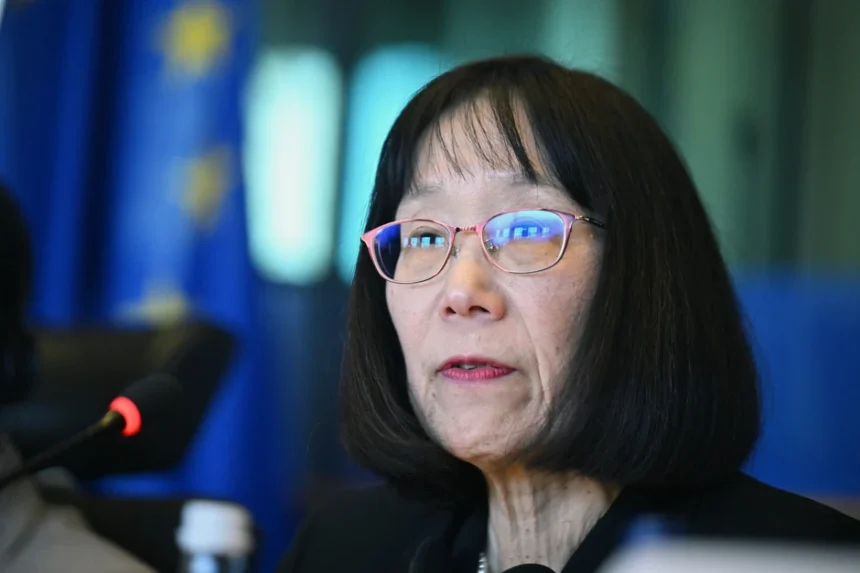
International Criminal Court (ICC) President Tomoko Akane has defended the court’s role in prosecuting the world’s most serious international crimes, saying it will continue to apply the law regardless of nationality, geography or political circumstances despite growing pressure from powerful states.
In an interview with Spanish newspaper El País, Akane said the U.S. decision to impose sanctions on ICC judges had personally affected her, including the suspension of her payment card shortly after she was sanctioned. She said she expected further practical consequences but remained committed to carrying out her mandate.
“It is always shocking to see your name on the same list as human traffickers and terrorists when you are a judge committed to defending the rule of law,” Akane said.
She said the pressure facing the court demonstrated the importance of its work in holding perpetrators of the gravest international crimes accountable.
“Two-thirds of the Court’s judges are subject to coercive measures by some of the most powerful states in the world. This is an unprecedented situation in the history of the ICC,” Akane said.
According to the ICC president, the court is operating in “deeply troubling times” for international justice and the rules-based international order. She nevertheless said it was encouraging that governments, civil society organizations and citizens were publicly defending international law.
“No one is above the law,” Akane said, emphasizing that the ICC was founded on the principle that law and justice should prevail over force.
She also rejected claims that the ICC undermines the sovereignty of its 125 member states or that its work is politically motivated.
Akane said the court intervenes when national authorities are unwilling or unable to properly investigate and prosecute individuals suspected of committing international crimes.
She argued that the ICC’s permanent nature allows the international community not only to respond to crimes after they occur, but also to deter potential perpetrators from committing them.
Akane has led the ICC since 2024. Her comments come amid an escalating confrontation between the court and the United States over sanctions against ICC officials and judges, raising broader concerns about the ability of international judicial institutions to operate independently when their decisions challenge powerful states.
The ICC president said she would continue performing her duties despite the pressure, portraying the sanctions as part of a wider challenge to the principle that international law should apply equally to all.