Eight Albanian political parties from southern Serbia have joined forces under a joint electoral list, the “Albanian Coalition,” seeking to increase the community’s representation in Serbia’s Parliament and strengthen its political influence.
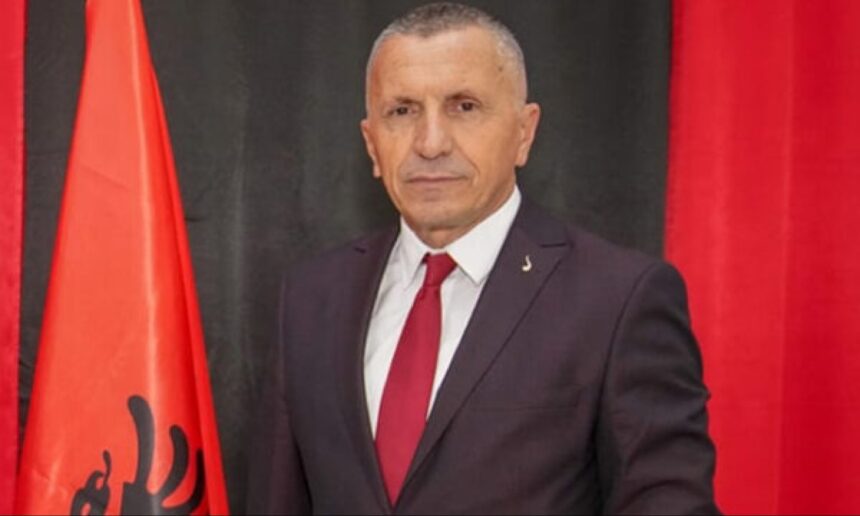
Shaip Kamberi, leader of the Party for Democratic Action (PDD) and currently the only Albanian member of the Serbian Parliament, will head the coalition’s electoral list.
“It is time for us to have greater political power, because in reality we have it, and to be represented by a larger number of deputies in Parliament so that we can try to resolve our problems,” Kamberi told Radio Free Europe.
Kamberi said the coalition’s political platform will be based on agreements previously reached between representatives of the Albanian community and the Serbian government.
“We have agreed that the basis of our demands will be the seven-point plan, which the Government of Serbia adopted in June 2013, referring to earlier agreements signed, with the mediation of the OSCE, between representatives of the Albanians and the Government of Serbia,” he said.
The seven-point plan provides for greater representation of Albanians in state institutions, economic development of the municipalities in the Preševo Valley, and the official use of the Albanian language, script and national symbols.
It also addresses decentralization in the justice system, security and confidence-building measures, as well as education, media, culture, healthcare and social protection.
The second candidate on the coalition list will come from the Alternative for Change, while the third will be nominated by the Democratic Party.
Kamberi said the parties have also agreed to continue working together after the elections.
“The deputies will remain together and will try, together with several other parties with which we share joint political activity, to form a parliamentary group,” he said.
Asked about Kosovo Prime Minister Albin Kurti’s assessment that Albanians from Preševo, Medveđa and Bujanovac should have at least five guaranteed seats in the Serbian Parliament, Kamberi said Albanian political representatives in Serbia are currently struggling to secure one, at most two mandates, and in some cases three.
He argued that this remains “far from reflecting the number of Albanians living in Serbia.”