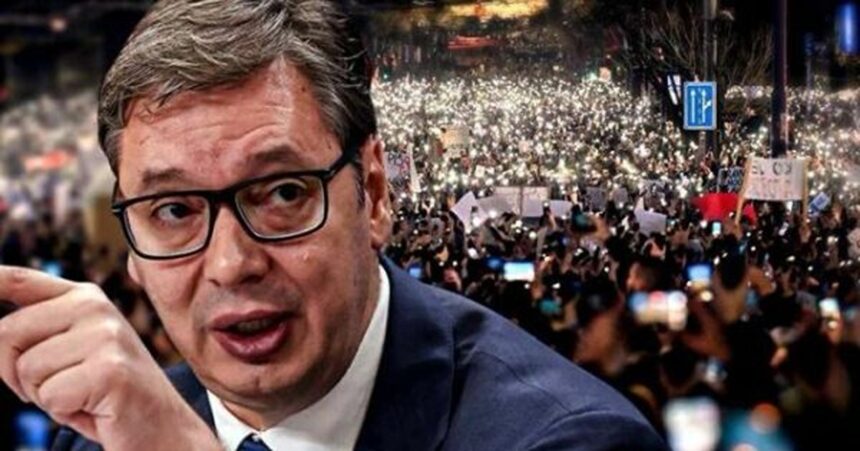
Aleksandar Vučić’s election defeat has brought an end to more than a decade of political dominance in Serbia, paving the way for a student-led opposition movement to claim victory and potentially reshape the country’s political landscape.
However, the result has raised major questions about what comes next for Serbia. The formation of the next government remains uncertain, as does the identity of the political figures who will lead the country through this transition.
Another key question is whether the student-led movement, which emerged from widespread protests, can translate its electoral success into stable and effective governance. Winning an election is only the first step; maintaining unity, building institutions and delivering on public expectations could prove more challenging.
The election outcome could also have significant implications for Serbia’s foreign policy and international relations, particularly its ties with the European Union, Russia and China. A change in political leadership may prompt a reassessment of Belgrade’s diplomatic priorities, although the extent of any shift remains unclear.
Vučić’s defeat marks a major turning point in Serbian politics, but the country’s future direction will depend on how the new political landscape develops and whether the victorious movement can turn public support into lasting institutional change.