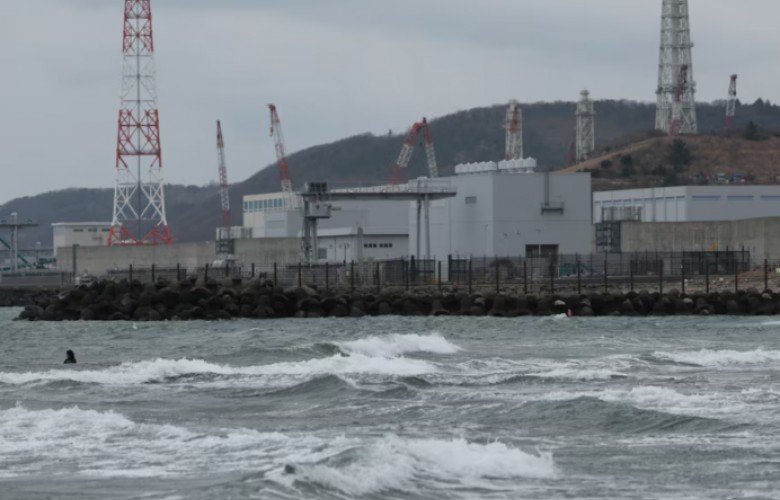
Japan has taken a decisive step toward restarting the world’s largest nuclear power plant, Kashiwazaki-Kariwa, marking a historic return to nuclear energy nearly 15 years after the 2011 Fukushima disaster.
The move became possible after the Niigata Prefectural Assembly approved a vote of confidence in Governor Hideyo Hanazumi, who has publicly supported the restart of the plant, according to Reuters.
This vote is widely seen as the final major political hurdle before Tokyo Electric Power Company (TEPCO) can begin restarting the first of seven reactors at the Kashiwazaki-Kariwa facility.
A Symbol of Japan’s Nuclear Debate
Located about 220 kilometers northwest of Tokyo, Kashiwazaki-Kariwa was among 54 reactors shut down nationwide following the earthquake and tsunami in 2011, which triggered the Fukushima nuclear accident — the worst since Chernobyl.
Since then, Japan has restarted only 14 of the 33 reactors still considered operable, due to public opposition, stricter safety regulations, and lingering distrust of nuclear operators.
Notably, Kashiwazaki-Kariwa will be the first nuclear plant restarted under TEPCO’s management since Fukushima, adding to public sensitivity around the decision.
Public Protests and Local Concerns
The announcement has sparked strong opposition in the local community. Around 300 protesters gathered outside the Niigata assembly building, holding anti-nuclear signs and expressing solidarity with Fukushima victims.
According to an October survey by local authorities:
- 60% of Niigata residents believe conditions for the restart have not been met
- Nearly 70% doubt TEPCO’s ability to operate the plant safely
Among the protesters is Ayako Oga, a 52-year-old farmer and anti-nuclear activist who was forced to evacuate her home near Fukushima in 2011. She says her firsthand experience makes accepting new nuclear risks impossible.
Government’s Case: Energy Security and Economic Stability
The Japanese government, led by Prime Minister Sanae Takaichi, views nuclear restarts as essential to strengthening energy security and reducing reliance on costly fossil fuel imports.
Currently, 60–70% of Japan’s electricity is generated from imported fossil fuels. Last year alone, the country spent more than 10.7 trillion yen on imports of liquefied natural gas and coal.
According to the Ministry of Economy, Trade and Industry, restarting just one reactor at Kashiwazaki-Kariwa could increase electricity supply for the Tokyo region by around 2%.
Japan’s Long-Term Energy Goals
Despite a declining population, Japan expects rising energy demand, driven largely by the expansion of data centers supporting artificial intelligence technologies.
To meet future demand and fulfill its carbon reduction commitments, the government aims for nuclear energy to account for 20% of Japan’s energy mix by 2040, double its current share.
Industry experts say public acceptance of the Kashiwazaki-Kariwa restart will be a crucial test for the future of nuclear power in Japan.
An Uncertain Path Forward
While Governor Hanazumi has stated that the long-term goal is to reduce dependence on energy sources that cause public anxiety, the debate over nuclear power in Japan remains deeply emotional and politically sensitive.
For some citizens, the restart is an economic necessity. For others, it is a painful reminder of risks they believe should never be repeated.