Serbia’s Bureau for Social Research (BIRODI) has called on major cable and telecommunications operators to review the conditions under which they distribute Informer TV, questioning who bears responsibility for broadcasting content that the organization says includes hate speech, insults, dehumanization and the targeting of individuals.
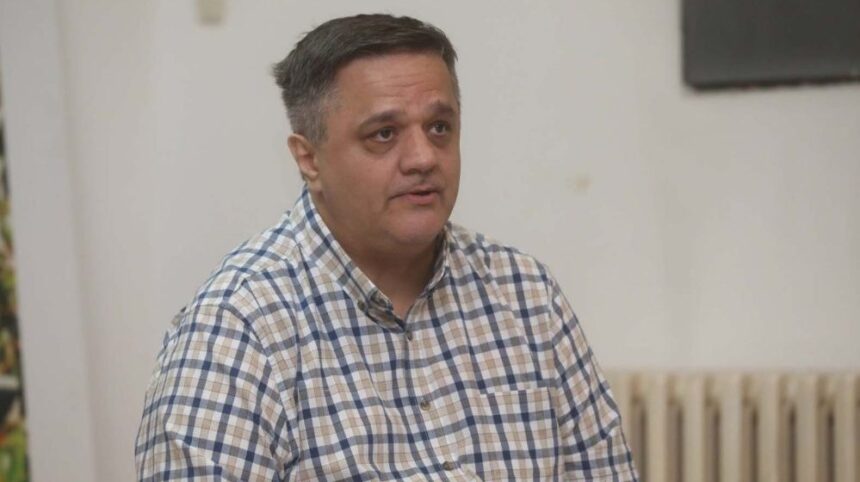
In an open letter, BIRODI Executive Director Zoran Gavrilović urged the management of SBB, Yettel Serbia and Telekom Serbia (MTS) to review their contracts with Informer TV and publicly state whether the channel’s content and rhetoric are consistent with their ethical standards and corporate social responsibility policies.
Gavrilović argued that major cable and telecommunications operators play a role in Serbia’s public and media environment that goes beyond the technical transmission of television signals.
“You represent key channels of communication through which the information environment is shaped,” BIRODI said in the letter, pointing to content broadcast daily on Informer TV.
According to Gavrilović, the publicly available programming of Informer TV demonstrates what he described as systematic violations of basic journalistic and ethical standards, media laws and Article 51 of Serbia’s Constitution.
He alleged that the channel’s programs regularly feature “open hate speech, insults, dehumanization and targeting.”
BIRODI challenges claims of distributor neutrality
Gavrilović acknowledged that cable operators often cite technical neutrality and contractual obligations toward media publishers when explaining their role in distributing television channels.
However, he argued that neutrality has limits where media content allegedly violates Serbian laws governing electronic media and public information.
“The fact that the Regulatory Authority for Electronic Media (REM) is dysfunctional does not relieve cable television operators of responsibility,” he said, arguing that distributors should not enable the broadcast of content that allegedly violates citizens’ constitutional rights, media laws and the Serbian Journalists’ Code.
Gavrilović said he had personally appeared on Informer TV in an effort to give the channel’s editors an opportunity to demonstrate their approach to public debate.
According to him, the appearance reinforced his belief that Informer TV was unwilling or unable to operate within the framework of constitutional rights, media legislation and professional journalistic standards.
BIRODI argued that the commercial interests of cable and telecommunications companies should be linked to their responsibility to respect media laws and citizens’ right to complete, timely and accurate information.
The organization also warned that companies distributing such content could, knowingly or unknowingly, provide it with legitimacy and resources while contributing indirectly to what BIRODI described as the growing toxicity of Serbia’s public discourse.
Call for review and possible removal of Informer TV
BIRODI called for an urgent review of the contracts and distribution conditions under which Informer TV is carried by SBB, Yettel Serbia and Telekom Serbia.
The organization also requested that the companies publicly clarify whether the content and rhetoric broadcast by Informer TV comply with their internal ethical codes and corporate responsibility standards.
BIRODI further called for warning and sanction mechanisms to be considered against the channel’s publisher, including the possibility of temporarily or permanently removing Informer TV from operators’ packages if what it described as continued violations of laws and professional standards persist.
“Citizens of Serbia, as customers, are under no obligation to pay cable television operators for content that is unconstitutional, unlawful and contrary to the codes of the media profession,” Gavrilović concluded.
The debate comes amid separate controversy surrounding Yettel’s decision to remove N1 and Nova from the packages of some users as part of what the company described as a “pilot project” testing a modular approach to television services.
Under the reported model, some customers can choose whether to retain the channels, with subscriptions becoming 300 Serbian dinars cheaper for those who opt not to receive them.
Critics have questioned the criteria used to select customers affected by the change and why N1 and Nova were the only news channels reportedly removed from certain packages, while Informer TV remains widely available through major cable operators.