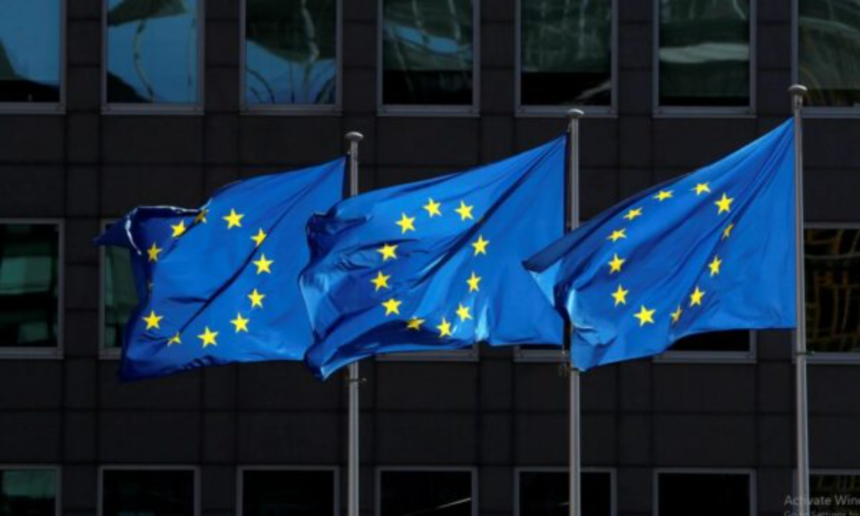
Foreign ministers of the European Union member states are meeting today with their counterparts from the Western Balkans in a joint discussion focused on regional stability, EU integration, and geopolitical challenges.
The meeting between the 27 EU foreign ministers and the six foreign ministers from the Western Balkans is expected to serve as preparation for broader discussions among EU ministers later the same day regarding the situation in the region.
Among the key topics on the agenda are preparations for the upcoming EU–Western Balkans Summit, scheduled to take place in June in Tivat, Montenegro.
According to European diplomats involved in the preparations, the discussions will focus on strengthening cooperation between the EU and the Western Balkans, increasing the region’s resilience against negative external influence, alignment with EU foreign policy — including sanctions — and improving relations among the countries of the region themselves.
EU officials have also confirmed that the Kosovo–Serbia normalization dialogue remains one of Brussels’ main concerns. Diplomats involved in the process reportedly expressed dissatisfaction with the current pace of negotiations.
“Although there have been some results in recent months, the dialogue between Belgrade and Pristina still lacks the momentum we would like to see. We expect the discussions to provide additional impetus for advancing the process,” one European diplomat stated anonymously.
The same official reaffirmed the readiness of EU High Representative for Foreign Affairs and Security Policy, Kaja Kallas, to actively engage in the dialogue process.
However, diplomats in Brussels reportedly believe that Kosovo’s ongoing domestic political instability and repeated election cycles are complicating efforts to organize a new high-level leaders’ meeting.
Kosovo and Serbia last held a high-level dialogue meeting in September 2023. Since taking office in December 2024, Kaja Kallas has not yet hosted a leaders-level dialogue session.
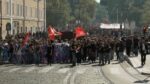
Throughout 2025, both Kosovo and Serbia cited internal political circumstances as reasons for the stagnation of the dialogue process. Serbia has faced continuous protests since the Novi Sad railway station tragedy in late 2024, while Kosovo has experienced prolonged institutional deadlock following parliamentary elections.
Kosovo held parliamentary elections in February and December 2025, while new elections are scheduled for June 7.