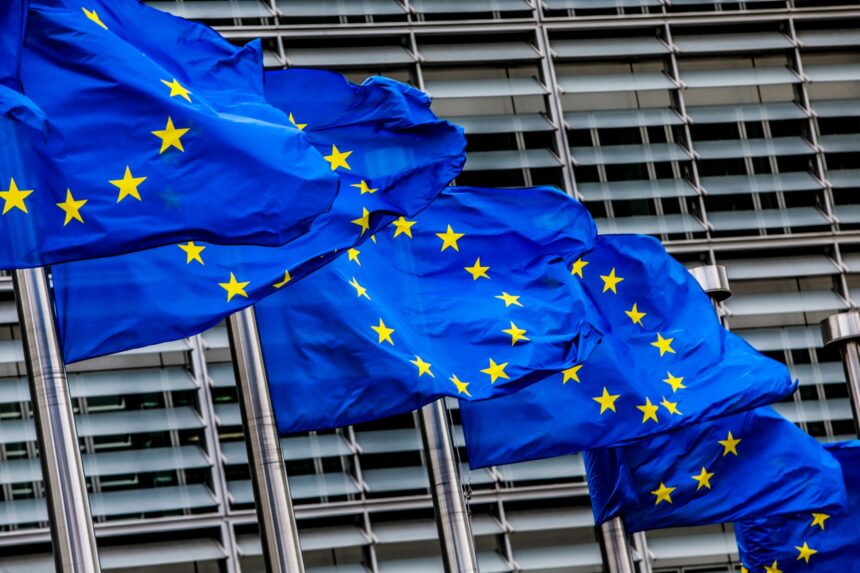
The annual European Union-Western Balkans Summit has been officially scheduled to take place on June 5, 2026, in the coastal town of Tivat, Montenegro.
The high-stakes diplomatic gathering is widely regarded as the most critical political platform linking the region to the bloc, bringing together the heads of state and government from the 27 EU member states alongside their counterparts from the Western Balkans six (WB6).
In the buildup to the June summit, European Commission President Ursula von der Leyen held a high-level telephone consultation with Serbian President Aleksandar Vučić. The conversation aimed to smooth over recent diplomatic friction, following Vučić’s high-profile boycott of the previous iteration of the summit held in December 2025.
European Commission Spokesperson Paola Pinho confirmed that the upcoming June assembly was the primary focus of the call with the Serbian leader. However, Pinho refrained from providing definitive confirmation on whether Vučić had guaranteed his attendance this time around.
“I would certainly not rule out the possibility that President Von der Leyen will hold similar consultative talks with other Western Balkan leaders in the immediate run-up to the summit,” Pinho noted during a press briefing.
Key Focus Areas and Kosovo’s Representation
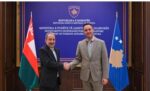
Official invitations have already been formally dispatched to all regional capitals. European Union officials have confirmed that the Republic of Kosovo will be represented at the summit by Acting President Albulena Haxhiu.
The EU-Western Balkans Summits are held annually, alternating host venues every second year to a city within the Western Balkans region. The Tivat summit will serve as the primary institutional vehicle for strategic political dialogue between Brussels and the Western Balkans, with an agenda tightly focused on:
- EU Enlargement Strategy: Reviewing the progress of individual candidate states and clarifying accession timelines.
- Regional Security: Addressing geopolitical vulnerabilities, countering foreign malign interference, and strengthening border management.
- Economic Integration: Expanding the EU’s Growth Plan for the Western Balkans to foster deeper economic ties and infrastructure connectivity.
- Political Stability: Encouraging regional reconciliation and resolving long-standing bilateral disputes.