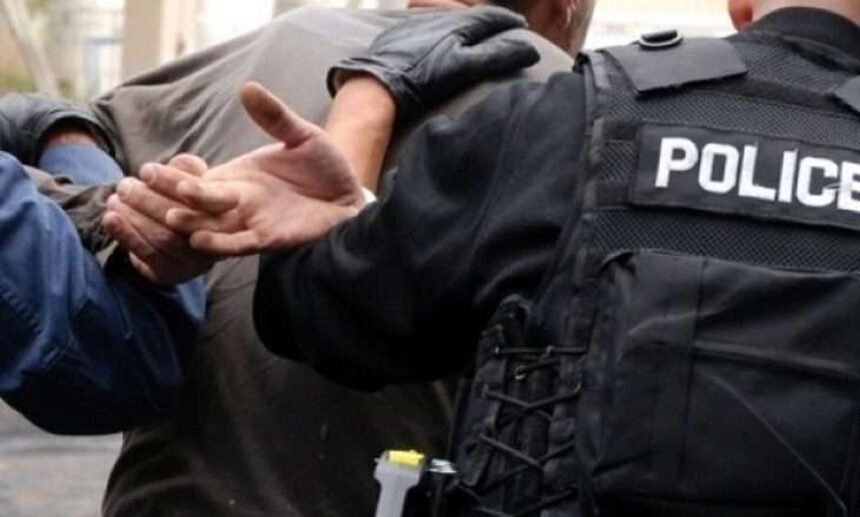
The Basic Prosecution Office in Pristina, in coordination with the Kosovo Police Directorate for the Investigation of Economic Crimes and Corruption, has detained five ethnic Serb citizens in the municipality of Graçanica.
The suspects face charges of violating the democratic process through voter intimidation and political coercion.
The swift law enforcement operation was initiated ex officio following widespread media coverage of public statements made by Kosovo’s Minister for Communities and Returns, Nenad Rašić. Minister Rašićhad raised alarms over an aggressive campaign aimed at coercing local voters and undermining the electoral process within the Serb-majority municipality.
Political Coercion and Short-Term Contracts Investigated
By order of the State Prosecutor, the five individuals—all citizens of the Republic of Kosovo—were placed under a 48-hour police detention. They are being investigated under Article 210 of the Criminal Code of the Republic of Kosovo, which penalizes the “Violation of the Free Determination of Voters.”
According to the prosecution’s official statement:
“Sufficient testimonies and physical evidence have been secured during the initial investigative phase, establishing a grounded suspicion that the detained individuals engaged in illegal actions directly linked to voter manipulation and intimidation.”
The arrests follow recent, high-profile reports from Graçanica detailing systemic pressure exerted on ethnic Serbs who do not politically align with Lista Serbe—the primary Belgrade-backed Serb party in Kosovo. Just days prior, several local professionals, including a long-serving laboratory technician and a high school professor working within Serbian-run parallel health and educational systems in Graçanica, reported being abruptly dismissed from their jobs. The victims stated they were fired because they or their families actively supported Minister Rašić’s political party, the Party for Freedom, Justice, and Survival (GI SPO).
Furthermore, Rašić had publicly accused opposing political actors of deploying coercive financial tactics, alleging that temporary short-term employment contracts paired with cash payments of 20,000 Serbian dinars were handed out late in the evening to manipulate voter behavior.
Protecting Electoral Integrity
The Basic Prosecution Office in Pristina emphasized that it remains fully committed within its constitutional and legal mandates to safeguarding the integrity of the electoral process.
The authority reiterated its dedication to ensuring that all citizens, regardless of ethnicity, can exercise their democratic right to vote freely, transparently, and without fear of structural retaliation or professional blackmail.