Iran has said it will not reopen the Strait of Hormuz as long as a United States naval blockade remains in place, escalating tensions in a region critical to global energy supplies.
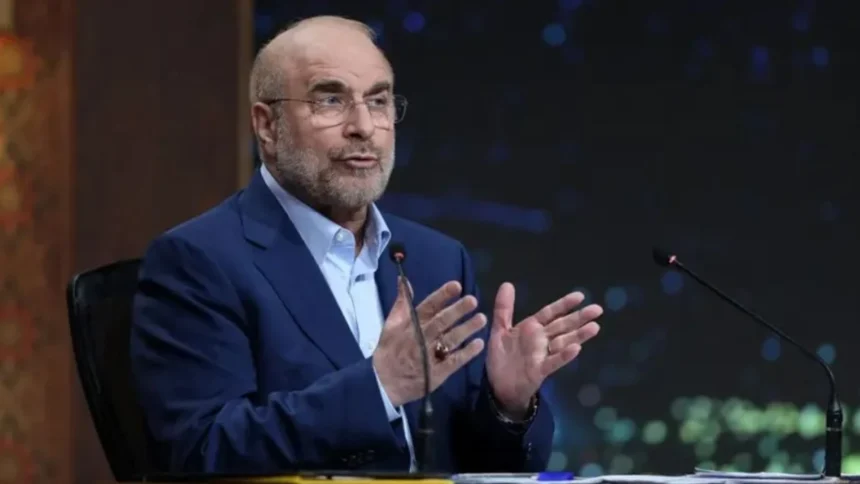
Mohammad Bagher Ghalibaf stated that reopening the strategic waterway is not possible under what he described as a “flagrant violation” of a ceasefire, referring to continued maritime restrictions imposed by the United States.
“A full ceasefire only makes sense if it is not undermined by a naval blockade,” Ghalibaf said, adding that Iran would not yield under pressure after what he characterized as failed military efforts against the country.
In a separate statement, Iranian President Masoud Pezeshkian said Tehran remains open to dialogue and a potential agreement, but warned that “violations of commitments, blockades, and threats” are major obstacles to meaningful negotiations.
The developments come as Iran has tightened control over the Strait of Hormuz, reportedly seizing two vessels and restricting transit through the passage. The waterway is one of the world’s most vital النفط routes, carrying roughly one-fifth of global oil and liquefied natural gas supplies.
Meanwhile, Donald Trump said the U.S. had agreed to pause a planned military strike following mediation efforts, including those by Pakistan. However, Washington has maintained its naval blockade, with no clear timeline set for extending the ceasefire.
Diplomatic efforts to resume negotiations are ongoing after a planned round of talks failed to take place before an earlier ceasefire deadline expired.
The situation has raised concerns about global energy markets and regional stability, as any prolonged disruption in the Strait of Hormuz could have significant economic and geopolitical consequences.