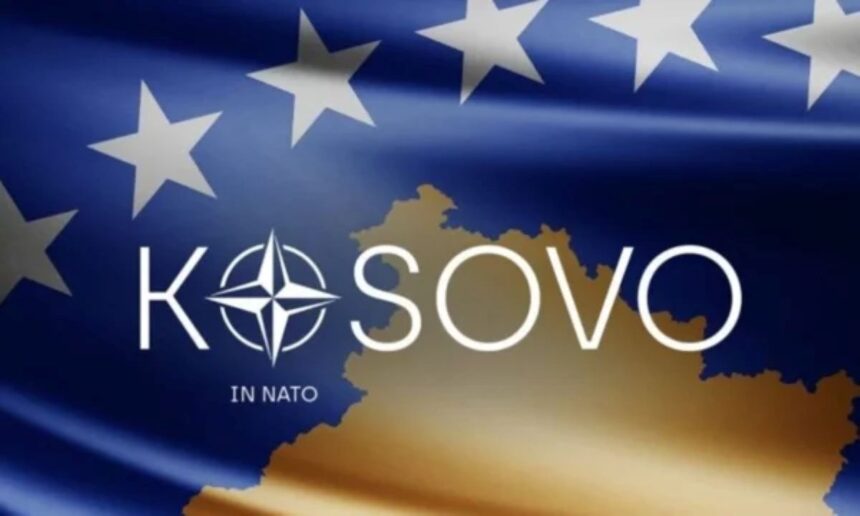
Security experts and former military officials urge Pristina not to be discouraged by Secretary of State Marco Rubio’s confirmation that NATO expansion is temporarily sidelined by pressing global crises, including the conflict in Iran.
Security analysts and defense experts in Pristina are advising against institutional defeatism following a high-profile testimony by U.S. Secretary of State Marco Rubio, who confirmed to Congress that Kosovo’s accession is not currently on NATO’s immediate expansion agenda.
Experts interviewed by KosovaPress emphasize that while Rubio’s remarks reflect a shift in Washington’s immediate geopolitical priorities, they do not permanently close the door on Pristina’s Euro-Atlantic ambitions.
The issue was thrust into the spotlight during a congressional hearing when Republican Representative Keith Self formally pressed Rubio to back Kosovo’s integration. Representative Self, alongside Democrat Suhas Subramanyam, had just wrapped up an official fact-finding mission to Pristina in late May, holding high-level consultations with Acting President Albulena Haxhiu and Prime Minister Albin Kurti.
The Silver Lining: High-Level Visibility in Washington
Former Military Attaché to the United States, Xhavit Gashi, presented a highly optimistic interpretation of the congressional exchange. He noted that having senior U.S. lawmakers vigorously advocate for Kosovo’s security integration on the house floor is a major, positive indicator for the country’s diplomatic status.
“First, it is excellent that Kosovo’s NATO membership is a topic of discussion at the highest levels of the United States government,” Gashi stated. “Due to global developments, priorities shift, but this does not mean Kosovo will never be a part of NATO.”
Gashi underscored that Pristina has structurally aligned its defense architecture with Western standards, though he acknowledged that the lack of diplomatic recognition from four current NATO members poses a significant legal bottleneck.
┌────────────────────────────────────────────────────────────────────────┐
│             The NATO Non-Recognizer Bottleneck: The 'Four'             │
├────────────────────────────────────────────────────────────────────────┤
│ • SPAIN: Firm resistance due to sensitive domestic autonomy movements. │
│ • GREECE: Maintains dynamic diplomatic communication but avoids formal │
│   recognition steps.                                                   │
│ • ROMANIA: Rejects unilateral declarations of statehood over regional  │
│   precedent concerns.                                                  │
│ • SLOVAKIA: Aligns with traditional regional legal frameworks.          │
└────────────────────────────────────────────────────────────────────────┘
Despite these hurdles, Gashi called on the Kosovo Security Force (KSF) to continue behaving and operating as an unaccredited ally. “We must continue to act as if we are already a member—following protocols, standard operating procedures, and contributing to regional stability,” he added.
Global Crises Competing for Washington’s Attention
Offering a more sobering perspective, Mentor Vrajolli, Executive Director of the Kosovar Center for Security Studies (KCSS), explained that the current international landscape is simply too volatile for Washington to commit its full diplomatic capital to the Balkans.
Vrajolli pointed directly to the United States’ recent, heavy military intervention in Iran—which began following the February 28 escalations—as well as the ongoing war in Ukraine and rising tensions in the Pacific, as crises that naturally displace the Balkan theater.
┌────────────────────────────────────────────────────────────────────────┐
│            Competing Strategic Priorities on Washington's Desk         │
├───────────────────────────────────────┬────────────────────────────────┤
│ 1. Central Command (CENTCOM) Theater  │ Active U.S. military operations │
│                                       │ and diplomacy in Iran.         │
├───────────────────────────────────────┼────────────────────────────────┤
│ 2. Eastern European Flank             │ Sustaining multi-billion dollar│
│                                       │ logistical supply to Ukraine.  │
├───────────────────────────────────────┼────────────────────────────────┤
│ 3. Indo-Pacific Strategy              │ Countering naval escalation in │
│                                       │ the South China Sea.           │
└───────────────────────────────────────┴────────────────────────────────┘
“It is unrealistic to expect the U.S. to maintain uninterrupted focus on the issue of Kosovo given these urgent emergencies,” Vrajolli remarked, adding that navigating the NATO consensus mechanism has arguably become more complex than achieving entry into the European Union.
Reorienting the Strategy: The European Leverage
To overcome the current strategic impasse, KCSS recommends that Pristina look beyond Washington and aggressively ramp up bilateral lobbying across European capitals.
Vrajolli argued that the primary responsibility for breaking the vetoes held by the four non-recognizers should fall on European heavyweights, as a secure Western Balkans serves European security interests first and foremost.
“The pressure needs to start from European nations,” Vrajolli concluded. “Anchoring Kosovo firmly within NATO directly hardens Europe’s southern flank, turning a historical flashpoint into a pillar of long-term continental peace.”