In a highly anticipated, defensive press conference on the sidelines of the EU-Western Balkans Summit, the Serbian President claims a “rogue staffer” deployed the 87 men turned away at the border. He denies hybrid-warfare charges and reasserts Serbia’s stance on Kosovo’s territory.
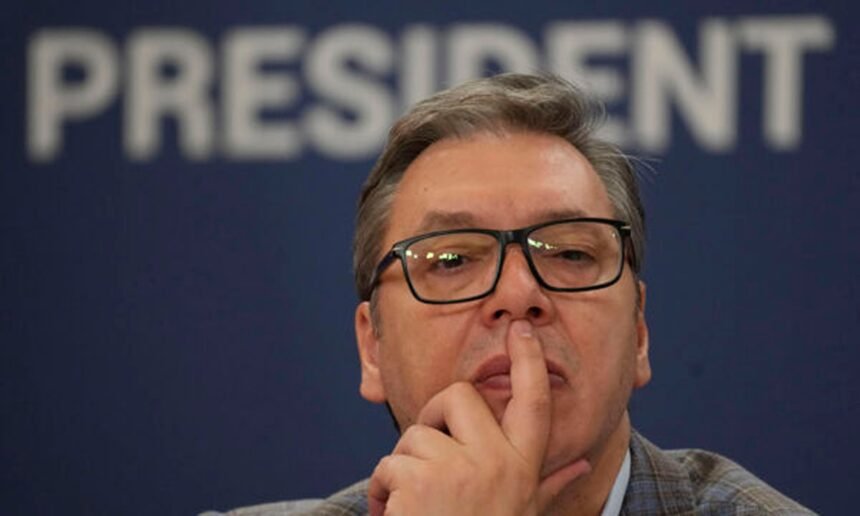
Serbian President Aleksandar Vučić delivered a volatile press conference in Tivat on Friday morning, June 5, 2026, attempting to systematically dismantle the explosive security scandal that has threatened to totally derail the EU-Western Balkans Summit.
Confronted by regional journalists over the dramatic deportation of 87 Serbian nationals intercepted by Montenegrin border authorities on an Air Serbia flight, Vučić adjusted his political stance. He admitted that a member of his inner circle had made an unsanctioned, “wrong decision” to organize the group’s arrival, but adamantly denied that the men were hardened criminals or part of a coordinated state-sponsored hybrid-warfare operation.
Instead, Vučić claimed the men were merely overzealous political “activists” sent to hold up signs and generate a more favorable welcoming atmosphere for him.
“It would not even cross my mind to organize something like this,” Vučić stated defensively. “If I had done it, today I would apologize to the hosts for the mistakes made by someone among my associates. Those people had no weapons or anything else; if they had, they would have been arrested, but they were not. They came to create a better atmosphere, even though I did not need it… They were holding banners and transparencies, and turning them back shows poor hospitality.”
The Security Assessment: Infiltrators vs. ‘Banner Holders’
Vučić’s benign characterization of the deported group stands in direct, stark contrast to the intelligence files released by Podgorica.
According to the Montenegrin Police Directorate and Border Police at Tivat Airport, the entry ban was enforced following an emergency national security threat assessment. Montenegrin authorities verified that the vast majority of the 87 passengers possessed significant criminal records and have been structurally linked for years to shadow operations, security rackets, and political intimidation tactics managed by the Serbian state apparatus.
┌────────────────────────────────────────────────────────────────────────┐
│             The Border Standoff: Two Conflicting Narratives            │
├───────────────────────────────────────┬────────────────────────────────┤
│ BELGRADE'S POSITION (VUČIĆ)           │ PODGORICA'S POSITION (ANB)     │
├───────────────────────────────────────┼────────────────────────────────┤
│ • Peaceful political party activists. │ • Identified criminal elements │
│                                       │   with histories of violence.  │
├───────────────────────────────────────┼────────────────────────────────┤
│ • Armed only with promotional banners│ • Operational assets deployed  │
│   and welcome transparencies.         │   to trigger street chaos.     │
├───────────────────────────────────────┼────────────────────────────────┤
│ • Innocent victims of a coordinated   │ • Legitimate border expulsion  │
│   anti-Serbian media narrative.       │   to protect national security.│
└───────────────────────────────────────┴────────────────────────────────┘
Vučić used the lack of formal, physical arrests to argue that the entire event was a theatrical exaggeration staged by neighboring states to damage Belgrade’s reputation. “If they committed any criminal offense, why weren’t they detained? If they had something illegal, they would have been held. An attempt is being made to present Serbia as a destabilizing factor, and this is a narrative that has been repeated for years,” he argued.
Dissociating from the Airport Retaliation
In a fascinating political twist, Vučić publicly distanced himself from the severe tit-for-tat retaliation executed by his own security agencies at Belgrade’s Nikola Tesla Airport, where 30 Montenegrin citizens were arbitrarily detained and questioned in response to the Tivat deportations.
Attempting to project the image of a magnanimous statesman to the watching European Union delegation, Vučić claimed he does not support reciprocal diplomatic punishments. He asserted that he has explicitly instructed Serbian state institutions to halt further targeted border restrictions against Montenegrins, stating that Serbia prefers to keep communication channels open—even when neighbors “falsify history.”
The Kosovo Pivot: “We Took No One’s Territory”
When pressed by international correspondents regarding how this regional friction impacts Serbia’s ongoing geopolitical standoffs, Vučić rapidly pivoted to his core nationalist defense, focusing squarely on the issue of Kosovo’s sovereignty.
Rejecting the Western baseline that Belgrade acts as an aggressive Revisionist power in the Balkans, Vučić flipped the victimhood narrative, suggesting that it is Serbia whose territorial integrity has been violated by international actors.
“Serbia has not taken anyone’s territory,” Vučić stated, referencing the status of Kosovo. “Perspectives are different, but we must listen to and understand one another. I believe in better relations, and it is important to have more frequent communication to avoid harsh words.”
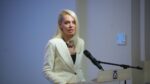
Despite his call for lowered rhetoric, the press brief did little to cool tempers in Tivat. With Acting Kosovan President Albulena Haxhiu using her plenary seat to demand that the EU permanently dismantle Serbia’s regional leverage, Vučić’s “rogue staffer” defense is being viewed by European diplomats as a transparent attempt to evade accountability for a busted intelligence operation.