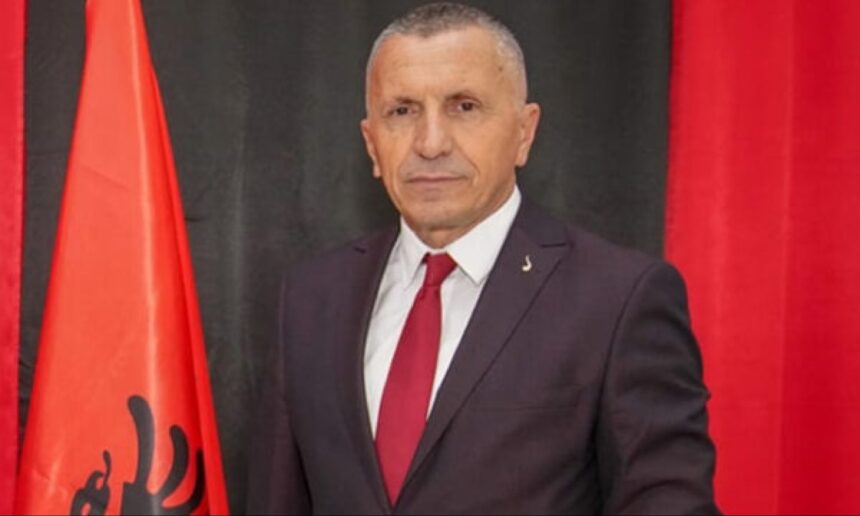
Albanian MP Shaip Kamberi has said he is open to cooperation with Serbia’s student-backed “Students’ List” following the October 25 parliamentary elections, but stressed that any partnership must be based on serious dialogue and concrete progress on the rights of ethnic Albanians in southern Serbia.
In an interview with Deutsche Welle, Kamberi said Albanians were not interested in holding political positions merely to create the appearance of inclusion. Instead, he argued, cooperation must deliver tangible results for the Albanian community in the Preševo Valley.
Kamberi identified the implementation of the seven-point plan for Albanians in southern Serbia as a key priority, alongside addressing the deactivation of residential addresses, improving representation in public institutions and resolving education-related issues.
“My message to them would be simple: if you want a democratic, accountable Serbia with better regional relations, then include the issue of Albanians in the Preševo Valley in your vision for change,” Kamberi said.
He emphasized that the incoming political leadership would need to demonstrate its commitment to democratic reform by addressing the longstanding concerns of the Albanian minority.
Kamberi also said Serbia should recognize Kosovo as an equal partner and work toward normal relations through dialogue and mutual respect.
His remarks come after the student-backed list secured a majority in Serbia’s October 25 parliamentary elections, ending Aleksandar Vučić’s 12-year rule, according to the report.
The election also saw ethnic Albanians unite behind a joint electoral list, securing two seats in the Serbian parliament after a prolonged period without comparable representation.
Representatives of the Students’ List have said that dialogue with Kosovo and Serbia’s European integration process would continue. However, some figures associated with the list have also stated that they respect Serbia’s Constitution, which defines Kosovo as part of Serbian territory.
Kamberi’s position highlights the challenge facing the incoming leadership: translating promises of democratic change into concrete improvements for ethnic minorities while addressing Serbia’s relations with Kosovo and its broader regional commitments.