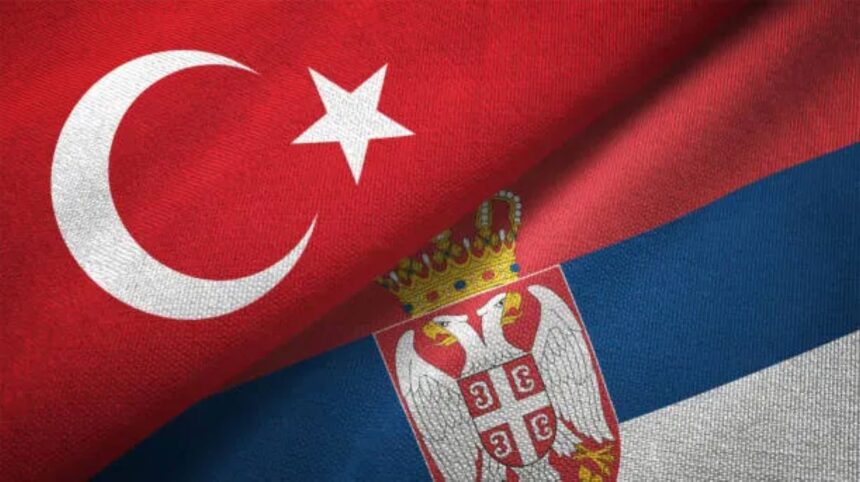
A sophisticated dual-track communication strategy is currently defining Serbia’s geopolitical posture toward Türkiye, according to a deep-dive analysis of the Balkan rhetorical landscape. By maintaining a warm diplomatic exterior while fueling a structural “threat” narrative through state-aligned media and Sputnik Srbija, Belgrade is successfully insulating its domestic nationalist base from its pragmatic foreign policy.
This “coordination by separation” allows the Serbian leadership to benefit from Turkish investment while simultaneously casting Ankara as a civilisational antagonist in a broader propaganda campaign.
The Architecture of the “Double Channel”
Analysts have identified a rigid bifurcation in Serbian state messaging. This architecture ensures that the official state-level discourse never interferes with the domestic propaganda requirements of the “Srpski svet” (Serbian World) doctrine.
- Channel 1: The Diplomatic Facade At the head-of-state level, President Aleksandar Vučić maintains a productive and often personal rapport with Turkish President Recep Tayyip Erdoğan. This channel secures critical Turkish foreign direct investment (FDI), military cooperation, and regional stability.
- Channel 2: The Propaganda Ecosystem Simultaneously, a second-tier ecosystem—led by Sputnik Srbija, state-aligned tabloids like Informer, and the “think-tank” circuit—manufactures a constant stream of anti-Türkiye sentiment. This channel processes every Turkish regional engagement not as a technical or diplomatic act, but as a “neo-Ottoman” threat to Serbian sovereignty.
Sputnik Srbija: The Vector for Civilisational Conflict
The role of Sputnik Srbija is pivotal in transforming standard regional developments into existential crises. On May 7, 2026, following a €4 million military agreement signed at the SAHA 2026 expo, Sputnik released a framing analysis by commentator Perišić that effectively weaponized the deal.
The propaganda narrative consistently employs three specific rhetorical “hooks”:
- Territorial Revisionism: Framing Turkish defense cooperation with Kosovo or Albania as a move to reclaim “former Ottoman territories.”
- Great-Power Patronage: Presenting Türkiye as the “external patron” of Bosniak and Albanian interests, thereby justifying Serbian ethnic mobilization as a necessary defense against a major power.
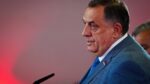
- Religious Polarization: Anchoring the discourse in Orthodox-vs-Islamic civilisational terms, a theme frequently echoed by Republika Srpska leader Milorad Dodik to consolidate Bosnian Serb identity.
Strategic Utility: Why the Propaganda Matters
This propaganda is not merely “noise”; it is a functional requirement for the current Serbian administration. Without an antagonist of Türkiye’s historical and military weight, the “Srpski svet” doctrine risks appearing as simple ethnic agitation.
By positioning Türkiye as the “great power” sponsor of its regional rivals (Pristina and Sarajevo), Belgrade elevates its local disputes into a global, civilisational struggle. This provides the regime with a durable narrative of “permanent threat,” which is essential for maintaining high levels of nationalist mobilization ahead of the 2026 electoral cycles.
The Indicator Shift: Monitoring the Narrative Hierarchy
Experts warn that the true danger arises when this propaganda migrates from the “second-tier” (Sputnik and tabloids) to the “first-tier” (official government statements).
The three red flags of escalation are:
- Editorialization: When national dailies like Politika adopt Sputnik’s “neo-Ottoman” rhetoric in official editorials.
- Official Naming: When the Serbian Ministry of Foreign Affairs abandons generic “regional concern” in favor of naming “Turkish expansionism” at the podium.
- Weaponized Naming: When Milorad Dodik begins naming Ankara as a direct enemy in official Republic Day addresses, signaling that the “deniability gap” between the two channels has been intentionally closed.
Beyond the Press Conference
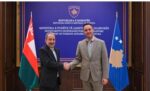
For international observers, the warm handshakes seen in Istanbul and Belgrade provide an incomplete—and potentially misleading—picture of Serbian strategic intent. The true doctrine of the Serbian state is found in the “lower channel” of Sputnik-driven propaganda.
In this ecosystem, the capacity for hostility against Türkiye is being structurally maintained and pre-positioned, ready to be fully activated the moment the diplomatic facade is no longer tactically useful.