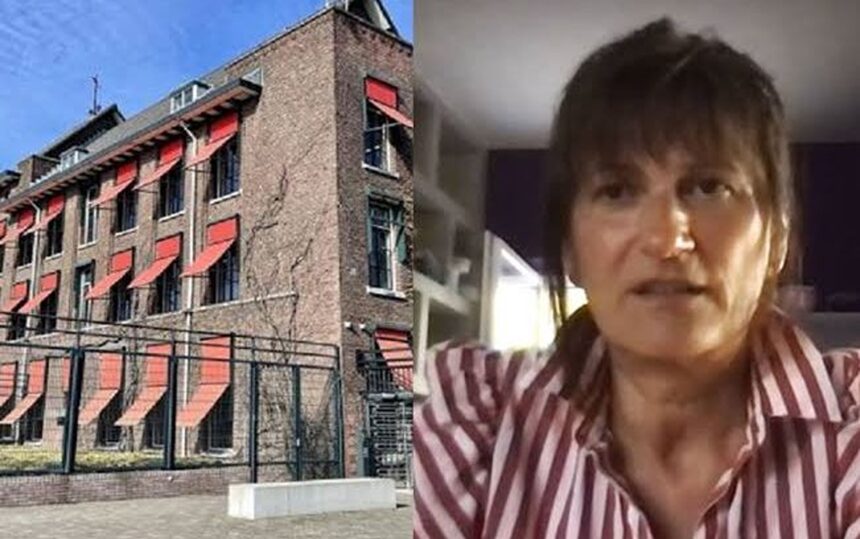
Nevenka Tromp, a researcher, professor, author and former investigator at the International Criminal Tribunal for the former Yugoslavia (ICTY), has criticised the convictions handed down by the Kosovo Specialist Chambers against Hashim Thaçi, Kadri Veseli, Rexhep Selimi and Jakup Krasniqi.
One day after the verdict, Tromp spoke in an interview with KosovaPress about the human dimension of the sentences and the political consequences of the judgment.
Speaking to journalist Besart Maloku, she also discussed Thaçi’s role in the establishment of the Specialist Chambers, his cooperation with the process, the ways in which Serbia could use the verdict against Kosovo, the appeals process and other related issues.
Tromp said she preferred to begin by focusing on the personal impact of the sentences on the four convicted men. In her view, justice should first and foremost be considered in relation to the individuals involved.
“First of all, my first impression, following the reading of the judgment and the announcement of the decision, was how extraordinarily painful it must have been for the four accused who were sitting there listening and, in the end, hearing the decision. And we must always return to this human dimension because, you know, everyone is now talking in big terms: how does this affect Kosovo, how does it affect relations with Serbia? But fundamentally, justice is first and foremost about individuals,” Tromp said.
She recalled that three of the four were students when they decided to join the war. She also stressed that they interrupted the lives they had been living and returned to Kosovo to fight.
According to Tromp, they could have chosen a different path but instead decided to make sacrifices for their country and their families.
“So, look at these four people. Three of them were students when they interrupted the normal course of their lives, and some even came from abroad, to fight for their country — not only for their country, but for their sisters and brothers, their mothers and wives. And they did this when they had the opportunity to turn back and do something else. So, can you imagine being on the front line of a war and, in the end, winning that war with the whole world, with NATO countries supporting you?” she said.
“And then, after the war, you begin working toward Kosovo’s statehood and end up paying the price for the choices you made as a young person in your twenties. Their entire lives were devoted to a great cause, and they sacrificed so much in relation to their families and children. And now they face — certainly in the case of Thaçi and Jakup Krasniqi, who is somewhat older than the others — 25 years in prison, which is effectively a life sentence,” Tromp added.
Tromp also criticised several statements made by Presiding Judge Charles Smith during the reading of the judgment. She described as ironic his reference to the verdict being delivered “in the name of the people of Kosovo.”
She also referred to the protests held by citizens who have opposed the decision of the Kosovo Specialist Chambers.
Tromp further warned about the potential political consequences of the judgment, particularly the possibility that Serbia could use the verdict in its political messaging against Kosovo.