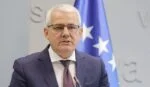
The Embassy of the United States in Kosovo has officially concluded a high-level visit by a bipartisan delegation of the U.S. House of Representatives, characterizing the diplomatic mission as a critical opportunity to gain direct insight into the volatile security and political landscape of the Western Balkans.
The delegation, co-led by Representative Keith Self (R-TX) and Representative Suhas Subramanyam (D-VA), engaged in a series of intensive consultations with Kosovo’s institutional leadership in Pristina.
Deepening the Strategic Transatlantic Partnership
According to an official statement released by the U.S. Embassy, the congressional lawmakers used the visit to acquire firsthand assessments of Kosovo’s current governance, rule of law initiatives, and ongoing security challenges in the northern municipalities.
The embassy explicitly highlighted the dual benefits of the diplomatic mission:
- Direct Analytical Insights: The meetings provided the U.S. lawmakers with invaluable, firsthand knowledge regarding the rapidly shifting political and security dynamics on the ground.
- Bilateral Reaffirmation: The dialogue robustly underscored the enduring importance of maintaining a constructive, transparent, and forward-looking strategic partnership between Washington and Pristina.
“The U.S. Congressional delegation completed its visit to Kosovo following a series of productive meetings that offered valuable, firsthand insights into current developments in Kosovo and emphasized the importance of a constructive partnership between the U.S. and Kosovo,” the embassy’s official statement read.
[U.S. Congressional Delegation Focus Areas]
├── Strategic Review ──► Assessing rule of law and regional stability vectors.
├── Security Briefing ──► Evaluating current dynamics in the northern border zones.
└── Diplomatic Core  ──► Reaffirming Washington's bipartisan commitment to Kosovo.
The arrival of the congressional delegation comes at a pivotal moment, as regional security architectures face mounting pressure from hybrid threats and localized infrastructure disputes. The bipartisan composition of the delegation signals that Washington’s foundational commitment to Kosovo’s sovereignty and Euro-Atlantic integration remains an area of unified agreement within the United States Congress.