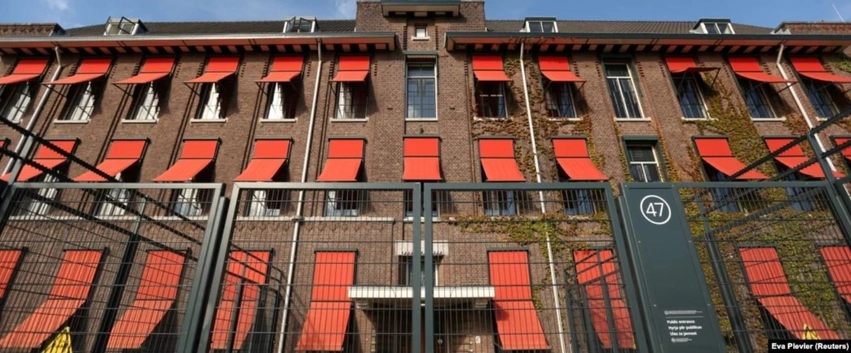
In the finalized and amended trial briefs submitted by the Office of the Specialist Prosecutor (ZPS), detailed operational accounts have emerged exposing alleged wartime abuses, illegal detention networks, and summary executions across Kosovo.
The structural filing explicitly focuses on activities within the Pashtrik Operative Zone, specifically inside the villages of Budakova, Semetishta, and Jeshkova.
1. The Command Structure in Budakova and Semetishta
The ZPS indictment details that the Kosovo Liberation Army (KLA / UÇK) maintained an active institutional footprint within these zones, overseen by the 123rd Brigade of the Pashtrik Operative Zone.
The 123rd Brigade Hierarchy & Intelligence Matrix
               [ Brigade Command ] ──► Blerim Kuqi (Summer 1998) ──► Gëzim Hazrolli (From March 1999)
                                                      │
         ┌────────────────────────────────────────────┴────────────────────────────────────────────┐
         ▼                                                                                         ▼
  [ 2nd Battalion ]                                                                         [ S-2 Intel Unit ]
  • Sadik Halitjaha (Commander, Summer 1998)                                                • Isa Morina (Director)
  • Bekim Arifi / Fehmi Berisha (Later Commands)                                            • Agim Zyba (Battalion S-2)
  • Military Police Base: Breshanc & Semetishta                                             • Agents: N. Kadolli / M. Buzhala
Key Detention Infrastructure:
- The Bajram Palushi Detention Node: Located adjacent to the primary headquarters of the 123rd Brigade’s 2nd Battalion in Budakova, this residential complex was allegedly converted into a high-security holding compound for civilian detainees.
- The Interrogation Apparatus: According to the file, Nuredin Abazi served as the legal advisor (W03865) who personally conducted interviews of prisoners. The ZPS alleges that the UÇK had zero legal frameworks or procedural guarantees required under international humanitarian law to protect detainees at these sites.
- Alleged Abuses: The ZPS claims that between July and September 1998, at least nine civilian individuals were locked in cells under armed guard. Detainees were stripped of money and property, subjected to mock executions by firing weapons near their heads, bound, blindfolded, and systematically beaten with rifle butts and chains.
2. The Murder of Rrushe and Latife Kololli
The prosecution brief singles out the specific, tragic trajectory of two local women, Rrushe and Latife Kololli, as proof of a lethal, unregulated chain of custody.
The Chronology of the Kololli Sisters' Disappearance
[ Mid-August 1998 ] ──► Arrested by Musë Qerkini via orders from Sadik Halitjaha
       │
       ▼
[ Budakova Compound ] ──► Interrogated by Nuredin Abazi; cleared of espionage charges
       │
       ▼
[ Semetishta Entry ]  ──► Transferred by Agim Zyba & Naim Kadolli; handed over to Naim Berisha
       │
       ▼
[ Topliqan Roadway ]  ──► Bound bodies discovered with extensive fatal gunshot wounds
- The Interrogation Resolution: Following an intense interrogation by Nuredin Abazi inside the Palushi house, the legal adviser concluded that the sisters had no connection to espionage or collaboration, labeling them instead as civilian sex workers and recommending their release or transfer to brigade command. The ZPS notes Abazi took no steps to ensure their humane treatment.
- The Execution: Acting on direct orders from Sadik Halitjaha, UÇK members Agim Zyba and Naim Kadolli transported the bound women to the entrance of Semetishta, handing them over to Naim Berisha. Days later, their bodies were discovered dumped along a road to Topliqan. Their hands were bound and their bodies riddled with bullet wounds. DNA tests later identified Latife Kololli; Rrushe’s remains were never forensically identified.
- Promotions Instead of Discipline: The ZPS emphasizes that no UÇK members were ever disciplined or investigated for these murders. Conversely, Halitjaha, Abazi, and Isa Morina all received subsequent high-level promotions within the General Staff or the Pashtrik Zone command.
3. The Jeshkova Local Headquarters and Abuse Claims
Further south, the ZPS highlights a parallel detention and interrogation infrastructure operating within the Vrrin region near Prizren.
| Chronology / Command Transition | Military Unit Control | Detention Abuse Allegations |
| June 1998 Framework | Local Prizren Headquarters formed in Jeshkova, commanded by Remzi Ademi (Petrit Kodra). | UÇK Military Police established a operational hub inside a local Jeshkova schoolhouse under commander Seladin Berisha. |
| Post-August 15, 1998 | Following Ademi’s death, Ekrem Rexha (Drini) assumed command, transitioning the force into the 125th Brigade (650 troops). | At least five civilian targets (including one ethnic Albanian) were abducted and detained under suspicion of real estate irregularities or anti-UÇK behavior. |
| Intelligence Oversight (ZKZ) | Managed by Xhevat Berisha (Sokoli), Hajrim Qengaj, and agents Safet Krasniqi, Ismail Kryeziu, and Elbasan Shoshaj. | One unnamed detainee was struck with a wooden rifle butt on the back of his skull, losing consciousness. Another unidentified victim was found dead and heavily bruised near Jeshkova after being kidnapped. |
4. The Current Judicial Standpoint (2026)
These specific regional counts form core components of the active war crimes trial against the four top-tier leaders of the UÇK General Staff: Hashim Thaçi, Kadri Veseli, Rexhep Selimi, and Jakup Krasniqi.
Following the submission of these finalized briefs, Special Specialist Prosecutor Kimberly West officially closed the prosecution’s closing arguments on February 10, 2026, demanding an absolute, unified sentence of 45 years in prison for each of the four co-defendants.
In their respective closing responses throughout mid-February 2026, all four defendants fiercely maintained their absolute innocence. Thaçi argued that the UÇK was a decentralized, popular movement for self-defense rather than a structured state military, while Selimi and Krasniqi labeled the indictments as an unjust, completely baseless attempt by the ZPS to tarnish Kosovo’s historical liberation war.