A former prisoner who joined Russia’s war in Ukraine in exchange for a second chance now says he feels deeply deceived by his country.
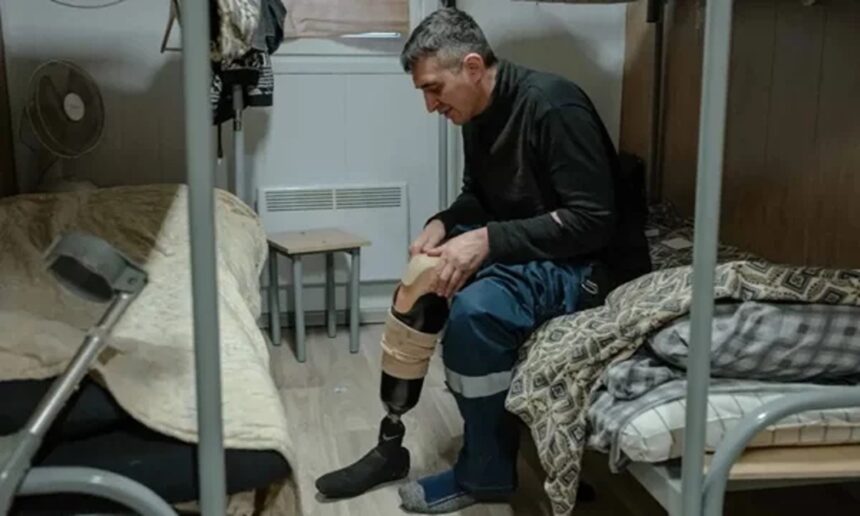
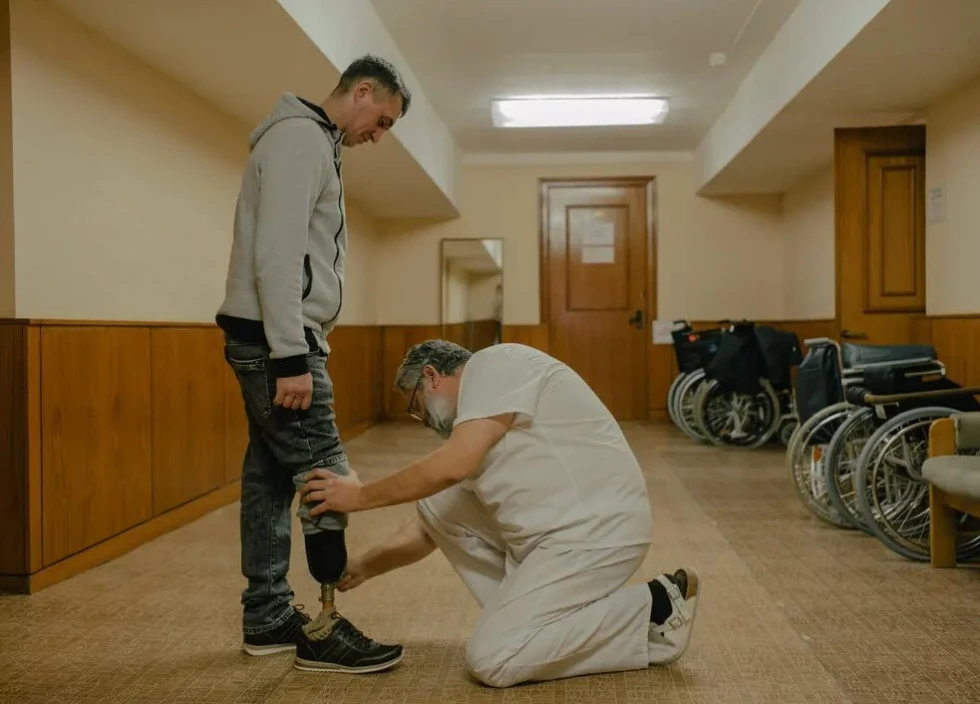
Aleksandr Abbasov-Derskhan, who had been serving a sentence for murder, signed up to fight believing it would give him a fresh start. Instead, after losing his right leg to a landmine while serving in a penal military unit, he says the promises made to him were never fulfilled.
He joined the Russian unit known as “Storm Z,” composed largely of prisoners recruited to fight in Ukraine. Like many others, he was told he would receive equal pay and benefits as regular contract soldiers—and that his criminal record would be cleared.
“I risked my life, but I still don’t understand for what,” said the 39-year-old in a recent interview near Moscow.
According to his account, reality turned out very differently. He received around $6,300 for six months of service and a one-time compensation of about $3,800 for losing his leg—far less than what regular soldiers are entitled to. Meanwhile, civilian recruits reportedly receive significantly higher compensation, bonuses, and long-term disability benefits under policies signed by Vladimir Putin.
Abbasov-Derskhan also claims the recruitment process itself was misleading:
“They gave us pages to sign in minutes. ‘You saw it? Good, sign.’ It was a trap.”
Despite a later law signed by Vladimir Putin promising equal status for such fighters, he remains skeptical that he will ever receive what he believes he is owed.
From Prison to War Zone
His path to the battlefield began after a violent crime in 2019, which led to a 10.5-year sentence in a harsh penal colony. Facing a bleak future, he eventually accepted a six-month contract in 2023 when recruiters arrived offering freedom in exchange for military service.
He was deployed near Kupiansk, a strategic frontline area. There, during a mission to retrieve a fallen soldier’s body, he stepped on a landmine—one he suspects may have been placed by his own side.
Ironically, the injury may have saved his life. He later learned that nearly all members of his unit were killed in a subsequent mission.
“This Is Not Patriotism”
After months of recovery, Abbasov-Derskhan returned to civilian life—but says he was left without proper support. His criminal record remains, limiting job opportunities, and he now works long hours as a welder to survive.
He also receives a small monthly disability payment, far below expectations.
Reflecting on his experience, he rejects the narrative used to recruit fighters:
“People don’t value their lives… This is not patriotism.”
His story aligns with other reports and complaints from soldiers and families, including findings reported by The New York Times about wounded Russian fighters struggling with recovery and compensation.