
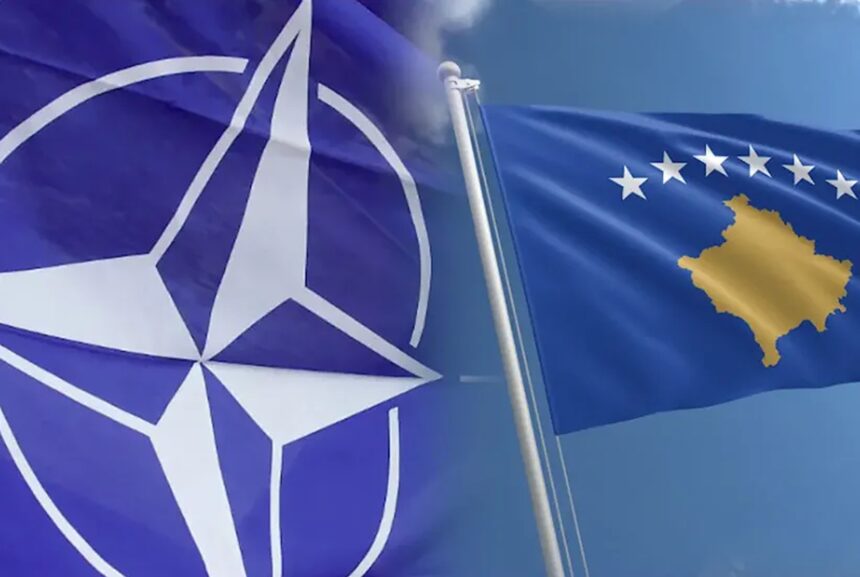
Kosovo is considered a potential target due to the presence of KFOR and the U.S. military base Camp Bondsteel. However, it remains under the broader protective umbrella of NATO and close coordination with allied forces.
Recent developments in Iran’s missile capabilities—highlighted by an attempted strike toward Diego Garcia—suggest a potential range of up to 4,000 km, theoretically putting parts of Europe within reach. One missile reportedly traveled about 3,000 km, raising concerns among analysts about expanded strike capabilities.
According to the Institute for the Study of War, this marked Iran’s longest attempted missile strike and challenges previous assumptions that its range was limited to around 2,000 km. Estimates suggest Iran possesses multiple types of ballistic missiles, potentially capable of carrying conventional or nuclear warheads.
Experts warn that this creates a new security dimension for Europe. A senior EU official, speaking anonymously to Radio Free Europe/Radio Liberty, noted that Europe’s air defense systems have been strained, especially after extensive military support to Ukraine.
Military analyst Mark Cancian described the threat as “very real,” stating that southeastern parts of Europe could fall within Iran’s reach. He emphasized that the U.S. and NATO have anticipated such risks and have deployed missile defense systems in Romania and Poland.
At the same time, other experts such as Gordan Akrap are more skeptical, arguing that even if Iran possesses such long-range capabilities, missiles would likely be intercepted before reaching Europe—especially as they would have to pass over heavily defended مناطق like Israel or Turkey.
In this context, Kosovo is seen as a potential—but not unprotected—target. Cancian notes that Kosovo falls within the coverage of NATO’s missile defense architecture, particularly systems based in Romania, and can further enhance its protection through coordination with the alliance.
“Countries can be placed under NATO’s defensive umbrella even without full membership,” he explains, pointing to examples like Sweden and Finland before they joined the alliance.
Overall, while the threat is taken seriously, experts emphasize that layered missile defense systems and regional cooperation significantly reduce the likelihood of a successful strike.