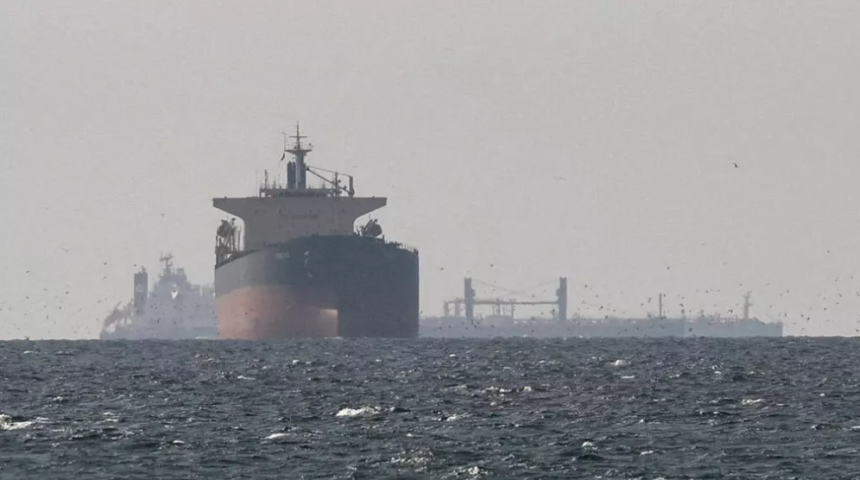
Iran is considering allowing vessels to transit safely through the Omani side of the Strait of Hormuz as part of proposals presented in ongoing negotiations with the United States, according to sources familiar with the discussions.
The proposal would permit ships to navigate without risk of attack along the Omani corridor of the narrow waterway, contingent on a broader agreement aimed at preventing further escalation in the region.
The Strait of Hormuz—approximately 34 kilometers wide at its narrowest point between Iran and Oman—is a critical global transit route, handling around 20% of the world’s oil and liquefied natural gas flows.
Disruptions to Global Energy Supply
The ongoing conflict involving the United States, Israel, and Iran has triggered one of the most significant disruptions to global energy supplies in recent years. Since the outbreak of hostilities on February 28, hundreds of tankers and vessels, along with an estimated 20,000 seafarers, have remained stranded in the Persian Gulf.
A two-week ceasefire that took effect on April 8 has provided limited relief, though uncertainty persists regarding its future. U.S. President Donald Trump recently indicated that the conflict may be nearing its end, but control over the Strait of Hormuz remains a central issue in negotiations.
Conditions and Uncertainties
According to sources, Iran’s proposal depends on whether Washington is prepared to meet key demands from Tehran. However, several critical questions remain unresolved, including whether Iran would remove any naval mines in the area or allow unrestricted passage for all vessels, including those linked to Israel.
Neither the White House nor Iran’s Foreign Ministry immediately commented on the proposal.
A Western security source confirmed that the concept of rerouting shipping through Omani waters is under consideration, although it remains unclear whether the United States has formally responded.
International Concerns
The proposal could mark a shift away from more assertive measures previously suggested by Tehran, such as imposing transit fees or asserting full sovereignty over the strait—steps widely criticized by the global shipping industry as violations of international maritime law.
Earlier this week, member states at a meeting of the International Maritime Organization in London opposed the idea of Iran imposing fees on vessels, warning it could set a “dangerous precedent.”
If implemented, the plan could represent an initial step toward restoring the long-standing navigation framework in the Strait of Hormuz, which has facilitated global trade for decades despite periodic tensions in the region.