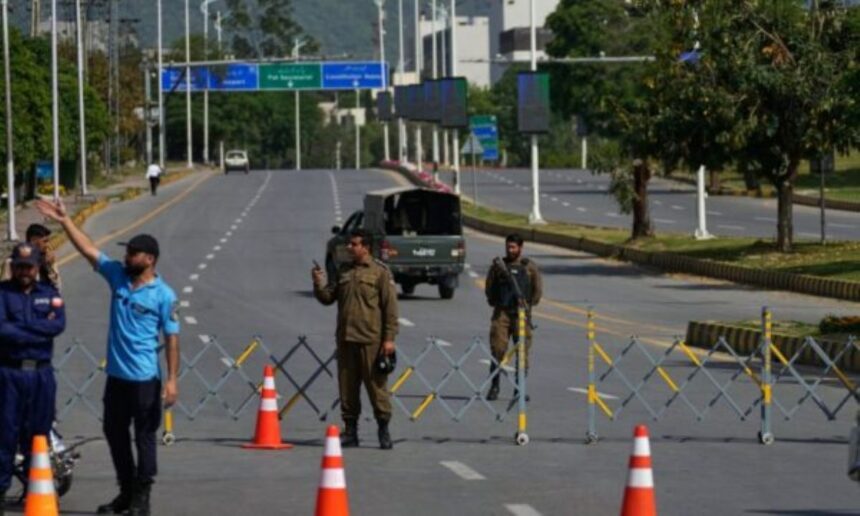
In a critical diplomatic breakthrough, the Associated Press reports that the United States and Iran have signaled their intent to convene for a fresh round of ceasefire talks in the Pakistani capital. Regional officials confirmed that “Pakistan-led mediators” have secured commitments from both sides to resume dialogue amid a period of extreme military tension.
The summit, scheduled to begin Wednesday morning, will see high-ranking leadership from both nations taking a direct role in the proceedings:
- U.S. Delegation: Led by Vice President JD Vance.
- Iranian Delegation: Led by Parliament Speaker Mohammad Bagher Ghalibaf.
A Climate of Mixed Signals and Escalation
Despite the confirmation from regional mediators, the atmosphere surrounding the talks remains volatile. The diplomatic path has been complicated by conflicting statements from Tehran:
- State Media Denial: Iranian state broadcasters initially dismissed reports regarding the arrival time of their delegation as “rumors” spread by unidentified international sources.
- The “New Cards” Warning: On Monday evening, Speaker Ghalibaf took to social media to assert that Iran would not negotiate “under threat.” He warned that his military is prepared to “reveal new cards on the battlefield” should the diplomatic effort fail to meet Iran’s conditions.
The Role of Pakistan as Mediator
Pakistan has emerged as the central facilitator in this conflict, leveraging its unique diplomatic position to bridge the gap between Washington and Tehran. The “Islamabad Process” is currently seen as the only viable mechanism to prevent the current regional skirmishes from devolving into a full-scale continental war.
Strategic Objectives of the Talks:
- Ceasefire Extension: Securing a formal pause in hostilities that began in late February.
- De-escalation: Establishing a “red line” protocol to prevent miscalculations in the Persian Gulf.
- Blockade Relief: Addressing the maritime restrictions that have severely impacted global energy prices.
What’s at Stake?
As both delegations prepare to land in Islamabad, the international community remains on edge. The presence of VP JD Vance signals that the Trump administration is seeking a definitive resolution—or at least a manageable stalemate—before the situation further destabilizes global markets. Conversely, Ghalibaf’s rhetoric suggests that Iran is unwilling to appear weakened, setting the stage for a round of negotiations characterized by “brinkmanship” and high-pressure diplomacy.
The world now looks to tomorrow morning’s opening session in Islamabad, which many analysts describe as the most important diplomatic encounter of 2026.