The United States is actively working with Kosovo to transform its role from a consumer of security into a contributor or exporter of it, as the country takes on greater responsibility for its own defense.
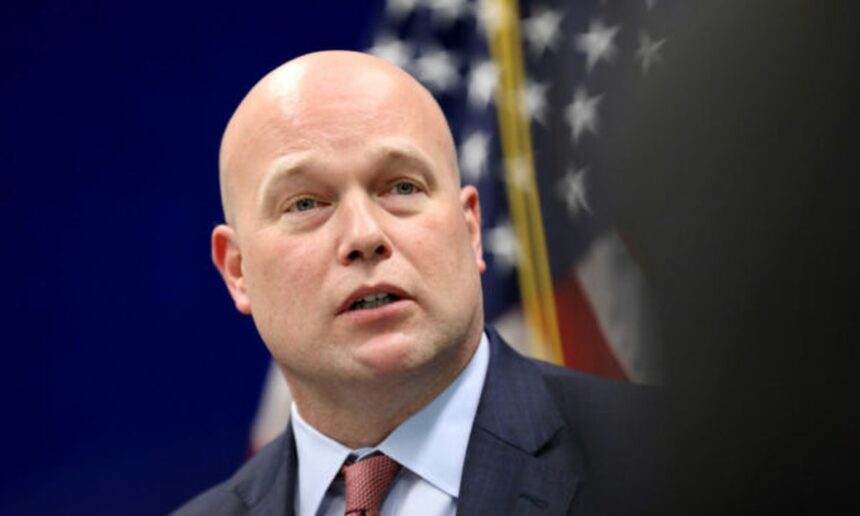
Writing on the occasion of 27 years since NATO’s intervention in 1999, U.S. Ambassador to NATO Matthew Whitaker highlighted the alliance’s decisive role in stopping the humanitarian catastrophe in Kosovo and laying the foundations for long-term peace.
He noted that the NATO-led KFOR has since become one of the most trusted institutions in Kosovo, helping prevent violence, protect civilians, and create the secure environment necessary for democratic development.
Today, according to Whitaker, the focus has shifted toward strengthening Kosovo’s own defense capabilities. The U.S. strongly supports the transformation of the Kosovo Security Force into a multiethnic, territorially focused defense force under civilian control.
A key pillar of this effort is deepening defense cooperation. Kosovo has increased its defense spending, aiming to reach the global benchmark of 5% of GDP dedicated to security and defense—an indication of serious commitment to self-reliance. Joint exercises with U.S. and allied forces, including participation in “Defender Europe 25,” are improving operational readiness and interoperability.
The long-standing State Partnership Program with the Iowa National Guard was highlighted as a model of consistent and practical cooperation.
Kosovo is also stepping beyond its borders. Its participation in international peace and security efforts—including contributions to stabilization missions in Gaza and its role as a founding member of the Peace Board—demonstrates its growing willingness to contribute to regional and global stability.
Whitaker emphasized that U.S. goals remain clear: unwavering commitment to long-term peace and stability in the Western Balkans, and support for Kosovo as a reliable partner promoting security and progress. He added that Kosovo’s future lies in deeper integration with the international community, including continued cooperation with the U.S. and other NATO allies.
At the same time, he stressed that Kosovo must address internal challenges, particularly ensuring security for all communities. Progress in normalizing relations with Serbia, maintaining regional stability, and aligning closely with the U.S. and NATO are essential for sustainable peace.