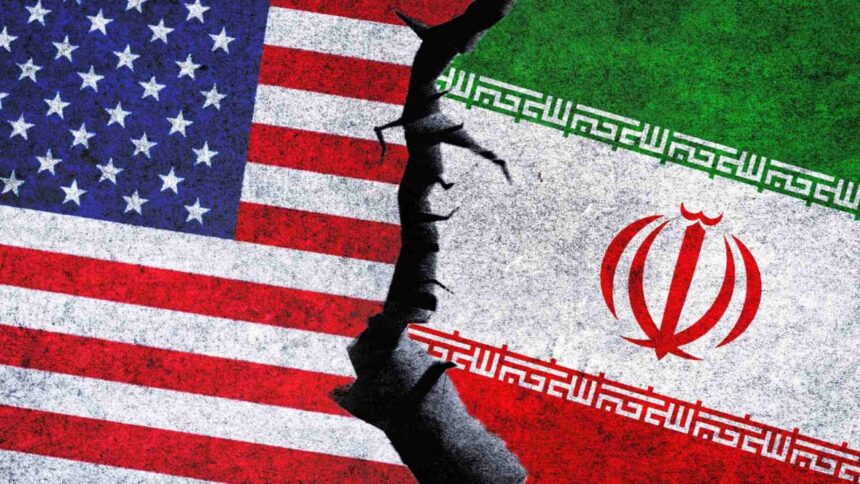
A baseline “level of understanding” has been achieved between Iran and the United States on several core issues, but a definitive agreement to end the current war remains distant, Iranian Foreign Ministry Spokesperson Esmaeil Baghaei announced on Monday.
Addressing journalists during a press briefing in Tehran, Baghaei adopted a cautious diplomatic tone, tempering growing global expectations of an immediate ceasefire.
Tehran’s Skepticism: “There is absolutely no guarantee that the United States will adhere to its commitments this time,” Baghaei stated, referencing past diplomatic failures.
Key Stumbling Blocks: The Nuclear Program and Regional Fronts
Diplomatic sources indicate that while progress has been made on a potential 14-point memorandum of understanding (MoU), deep rifts persist regarding the sequencing of concessions. Baghaei outlined Tehran’s rigid conditions for the current phase of negotiations:
- Nuclear Program Paused in Talks: Iran’s nuclear ambitions and highly enriched uranium stockpiles are explicitly excluded from the current framework. Tehran refuses to negotiate nuclear technicalities until a comprehensive ceasefire is declared.
- All-Fronts Ceasefire: Iran demands an absolute halt to military hostilities across all regional theaters, specifically emphasizing an end to the conflict in Lebanon alongside the withdrawal of U.S. naval forces near its borders.
- Inconsistent U.S. Rhetoric: Baghaei leveled sharp criticism at the administration of U.S. President Donald Trump, noting that highly volatile and contradictory statements coming out of Washington within a matter of hours have severely complicated the mediation process.
The Battle for the Strait of Hormuz: Tolls vs. Service Fees
The negotiations come amid a severe global energy crisis triggered by the U.S.-Iran war, which erupted with airstrikes on February 28, 2026. The conflict has caused commercial maritime traffic through the critical Strait of Hormuz to plummet by an unprecedented 95%, following a subsequent U.S. naval blockade of Iranian ports and retaliatory Iranian disruptions.
[Strait of Hormuz Shipping Volumne (Pre-War vs. Current)]
Pre-War Baseline:  ██████████████████████████████  (~138 vessels/day)
Current Volume:    █  (~5% of normal capacity)
During the conference, Baghaei strongly rejected Western characterizations of Iran’s planned financial levies on vessels transiting the waterway as an illegal “transit tax” or toll. Instead, he justified the proposed charges as standard fees for vital maritime infrastructure, including:
- Advanced navigation and routing assistance
- Environmental protection and ecological monitoring
“Any responsible state would welcome the creation of a reliable, predictable mechanism for managing transit and freedom of navigation through the Strait of Hormuz,” Baghaei asserted, noting that the long-term management of the strategic chokepoint remains a bilateral matter under active discussion between Iran and Oman.
While U.S. Secretary of State Marco Rubio holds out hope for a roadmap to de-escalate the conflict, Trump took to social media to declare that the emerging deal would either be “great and meaningful, or there will be no deal at all.”