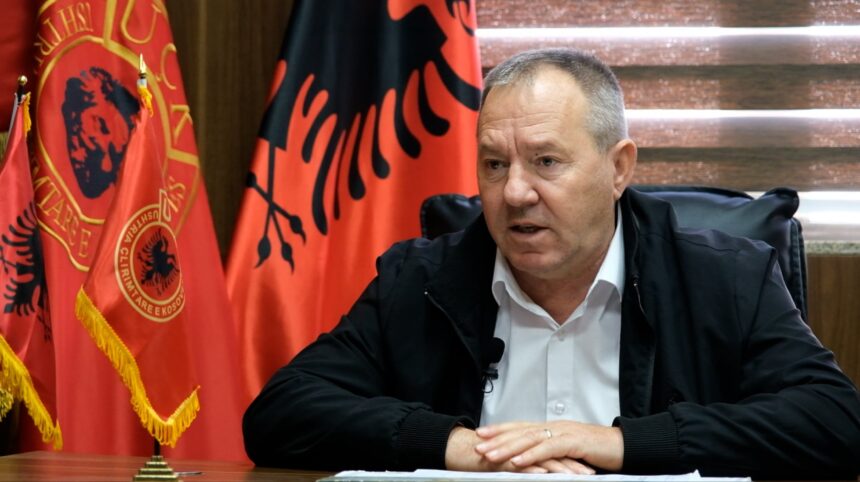
Hysni Gucati, Chairman of the Kosovo Liberation Army (KLA) War Veterans Organization, has described the procedures leading to an indictment over the massacre of the Jashari family in Prekaz as an important step toward justice, while stressing that the process has been excessively delayed.
He stated that judicial institutions should have acted much earlier regarding war crimes committed in Kosovo.
“It is true that this decision comes very late. I know that in 2000, 2001, 2003, and 2004, UNMIK was here and leading these processes, and later EULEX took over in 2008, if I am not mistaken. This decision is very, very late—extremely overdue. After 27 years, our prosecutors have finally awakened. First of all, I want to welcome this initiative and this procedure as a positive step. We woke up very late, but better late than never,” Gucati declared.
According to him, these judicial processes should identify and bring to justice all those who participated in crimes committed during the war.
The individuals responsible for the crime committed against the Jashari family in March 1998 are expected to be named soon in an indictment by the Kosovo Special Prosecutor’s Office.
A total of 55 people were killed during the attack, including 22 close family members of the legendary commander, Adem Jashari, who had long been targeted by the Serbian state.
The Special Prosecutor’s Office of Kosovo has not disclosed many details about the case but has stated that it is being treated as a priority and is expected to be finalized with the filing of an indictment in the near future.
“The Special Prosecutor’s Office of the Republic of Kosovo informs the public that the case is being handled as a priority and will soon be finalized with the filing of an indictment,” the institution stated.
The massacre in Prekaz is widely regarded as one of the defining events of the Kosovo war and remains a powerful symbol of resistance and sacrifice in Kosovo’s modern history.