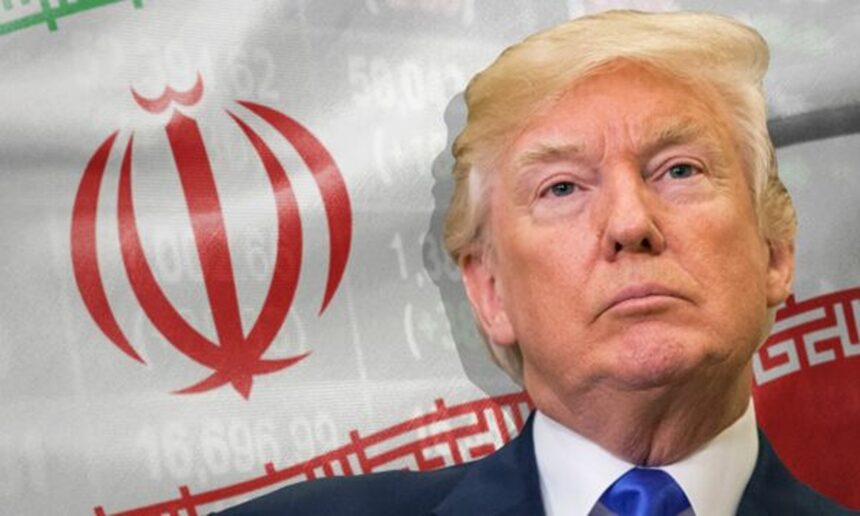
U.S. President Donald Trump said on Friday that Iran has requested the continuation of talks between the two countries, but warned Tehran that the current ceasefire is no longer in effect amid a new wave of retaliatory attacks between the two sides.
“The Islamic Republic of Iran has asked us to continue the ‘talks’,” Trump wrote on his Truth Social platform.
“We have agreed to do so, but the United States has made it clear to them that the ceasefire has ended,” he added.
Trump has repeatedly claimed that Tehran has been seeking a return to negotiations with Washington, although previous talks have repeatedly collapsed without significant progress.
Earlier this week, Trump told reporters that Iran had contacted the United States and expressed a strong desire to reach a deal, but questioned whether Tehran could be trusted to respect any potential agreement.
Despite his criticism, Trump said he would consult with U.S. negotiator Steve Witkoff and his son-in-law Jared Kushner regarding the possibility of restarting negotiations.
Meanwhile, Qatari mediators arrived in Tehran on Friday in an effort to help revive diplomatic efforts between Washington and Tehran.
Iranian media reported that the Qatari delegation’s main goal was to strengthen Doha’s mediation role following recent escalations in the region.
Qatar has accused Iran of carrying out attacks against three oil tankers in the Strait of Hormuz on July 7. The confrontation escalated during a 60-day ceasefire that had been intended to create conditions for broader negotiations between the United States and Iran.
Iran has claimed that the vessels attempted to pass through the strategic waterway without proper authorization, while U.S. forces responded with strikes on Iranian targets, mainly coastal positions near the Strait of Hormuz.
Washington said the strikes were aimed at protecting international navigation through one of the world’s most important energy routes, which before the conflict carried around 20 percent of global oil and natural gas supplies.
The U.S. Central Command reaffirmed that the Strait of Hormuz is an international waterway and rejected Iran’s claims of authority over the route.
The latest escalation comes as Iran held days of funeral ceremonies for Supreme Leader Ayatollah Ali Khamenei, who was reportedly killed during the first day of U.S.-Israeli airstrikes on February 28.
The absence of Mojtaba Khamenei, the late leader’s son and Iran’s new supreme leader, from major public ceremonies has raised questions about his health and the country’s leadership situation.