Kosovo welcomed 306,447 foreign visitors during the first five months of the year, with the largest number of tourists coming from Albania, Germany, Switzerland, and Türkiye.
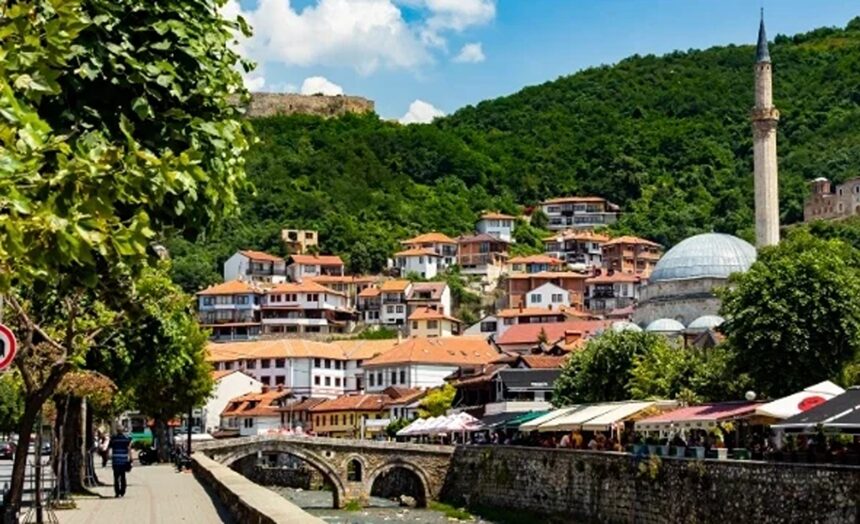
The country’s most visited destinations remain Prizren, Pristina, Peja, and Gjakova.
According to Kosovo’s Ministry of Culture, Youth and Sport, Prizren continues to top the list of the most popular tourist destinations thanks to its historic center, fortress, mosques, churches, the DokuFest international film festival, and rich cultural heritage.
Pristina serves as the main entry point for international visitors, with attractions including the NEWBORN Monument, the National Library of Kosovo, and the Cathedral of Saint Mother Teresa.
Peja remains one of Kosovo’s leading destinations for mountain and adventure tourism, attracting visitors to the Rugova Gorge, the White Drin Waterfall, and the Patriarchate of Peć, while Gjakova is renowned for its Grand Bazaar and traditional architecture.
The ministry noted that the Pristina and Peja regions record the highest numbers of foreign visitors and overnight stays, while Prizren remains Kosovo’s leading cultural tourism destination.
Tour guide Muhamer Hasani said visitors are generally impressed by nearly every aspect of Kosovo, from its hospitality and cuisine to its vibrant urban atmosphere. However, he noted that many arrive with misconceptions due to misinformation they receive before visiting.
“What tourists enjoy in Kosovo is almost everything—from the lifestyle and food to the lively atmosphere of our cities. Many arrive with preconceived notions or misinformation and are unsure of what to expect. But in virtually every case, visitors leave with an excellent impression, especially when accompanied by local guides,” Hasani said.
He added that one of the first questions tourists ask concerns safety and Kosovo’s relations with neighboring countries. According to Hasani, visitors quickly realize that the reality is very different from what they had previously been told.
“Unfortunately, many tourists who have already visited neighboring countries are often given misleading information about Kosovo’s security. Within minutes of arriving, they see that those claims are unfounded. International organizations have consistently ranked Kosovo among the safest places to visit,” he said.
Hasani also highlighted the growing number of visitors from Greece and Romania, describing it as a positive trend.
Meanwhile, Baki Hoti, Chairman of the Kosovo Tourism Union, welcomed the continued increase in tourist arrivals, describing it as an important boost to the country’s economy.
“This is very positive news. Tourist numbers increased throughout 2025, and every month of 2026 has continued that trend. On average, a visitor spends around €150 per day in Kosovo. Tourism has become an important contributor to the national economy,” Hoti said.
According to the Kosovo Agency of Statistics, foreign visitors generated more than €248 million in tourism revenue during 2025.
The ministry also explained that visitors from Albania mainly travel due to geographical proximity and family and cultural ties, while many tourists from Germany and Switzerland are members of the Kosovo diaspora or travel for business and family visits. Visitors from Türkiye are primarily drawn by cultural tourism, business opportunities, and historical connections.