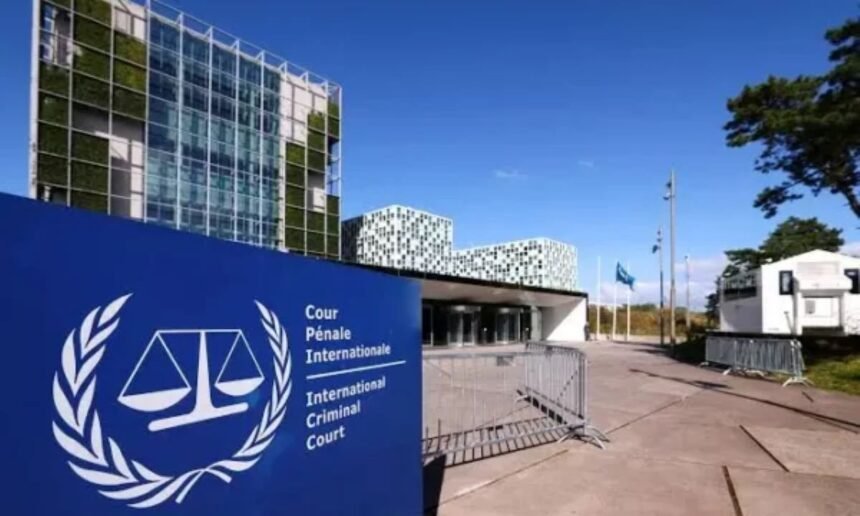
The recent escalation in tension between Washington and the International Criminal Court (ICC) in The Hague marks a critical tipping point in international relations. U.S. Secretary of State Marco Rubio’s aggressive rhetoric—threatening to tear down the court “brick by brick”—stems from deep-seated geopolitical, legal, and sovereign concerns regarding the protection of U.S. citizens and key allies.
The primary reasons behind Washington’s concerted offensive against the ICC include:
1. Protecting American Personnel from Foreign Jurisdiction
The central concern for the U.S. is the risk that the ICC could prosecute American citizens—including military service members, border patrol agents, and policymakers—for war crimes or crimes against humanity. Washington categorically rejects the idea of its citizens being left at the “mercy of foreign judges thousands of miles away,” viewing it as a direct violation of U.S. sovereignty and its constitutional legal system.
2. Opposing Jurisdiction Over Non-Member States
Although the U.S. is not a member of the ICC (meaning crimes committed on U.S. soil cannot be tried in The Hague), the court asserts jurisdiction over individuals who commit crimes on the territory of member states. This means that if American forces operate within an ICC member nation, they could theoretically face investigation. Concerns in Washington have escalated following recent statements by former ICC Prosecutor Luis Moreno Ocampo, who characterized certain targeted killings of suspected drug traffickers in the Caribbean as potential crimes against humanity.
3. Geopolitical Alignments and the Protection of Allies (e.g., Israel)
U.S. pressure intensified dramatically after the ICC issued arrest warrants for high-profile world leaders, including Russian President Vladimir Putin and Israeli Prime Minister Benjamin Netanyahu. Because Israel is the closest U.S. ally in the Middle East, Washington views the court’s actions as a politically motivated assault designed to delegitimize allied nations and undermine U.S. geopolitical interests.
The Retaliatory Measures Under Consideration
To neutralize the ICC’s authority, the U.S. State Department is drafting a multi-pronged strategy involving both direct and indirect sanctions:
| Category of Sanction | Details of the Proposed Measures |
| Travel Restrictions | Implementing a strict U.S. entry ban on all ICC employees, prosecutors, and investigators. |
| Financial Sanctions | Freezing U.S.-based assets and expanding financial sanctions against the court and associated organizations. |
| Aid Conditioning | Reviewing and potentially cutting economic aid to third-party countries that choose to cooperate with the ICC. |
| Diplomatic Pressure | Launching open campaigns to pressure other nations into altering their voting patterns or withdrawing from the court. |
The “Chilling Effect” and the International Response
International law experts warn that the U.S. campaign is designed to create a “chilling effect,” prompting ICC prosecutors to act with extreme caution or show leniency toward suspects backed by Washington. There is also widespread concern over “over-compliance” with U.S. sanctions, where foreign tech or financial firms might preemptively cut ties with the court to protect their business operations in the United States.
The Court’s Technical Pivot: To mitigate its vulnerability to U.S. actions, the ICC has begun shifting its digital infrastructure away from U.S. tech giants—such as replacing Microsoft applications with open-source alternatives developed in Germany.
Conversely, the European Union and nations like Germany have voiced their unwavering support for the ICC, arguing that without it, grave international crimes would go unpunished, leaving the global order less stable.
A striking paradox lies in the stance of Marco Rubio himself: in 2022, as a U.S. Senator, he co-sponsored a resolution praising the ICC’s investigation into Russian war crimes in Ukraine. Today, serving as Secretary of State, he is leading the charge to dismantle the very same institution.