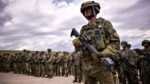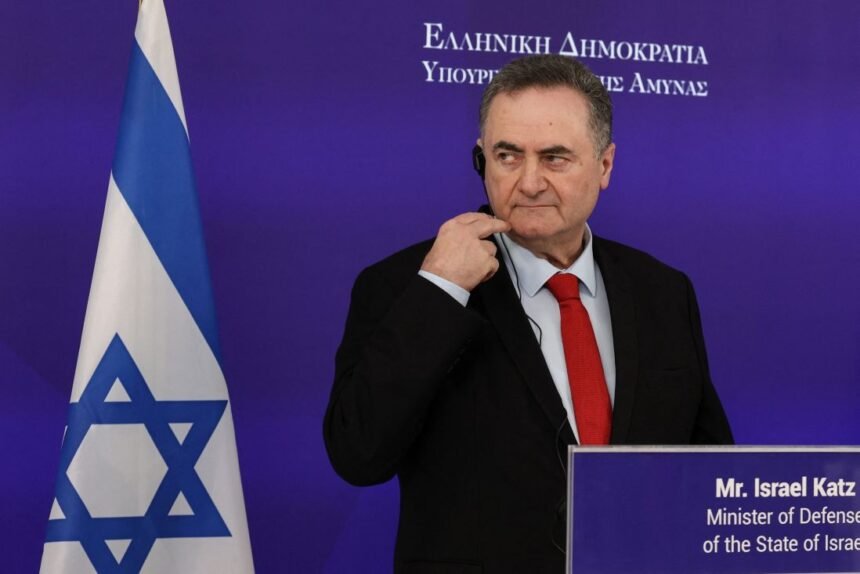
In a major diplomatic friction point between the allied nations, Israel has firmly rejected pressure from U.S. President Donald Trump to pull its military forces back from active buffer zones in Syria, Lebanon, and the Gaza Strip.
The stance was made clear during a direct phone call between Israeli Defense Minister Israel Katz and his newly appointed U.S. counterpart, Secretary of Defense Pete Hegseth.
The Strategic Disagreement
During the late-night call, Israel Katz conveyed Israel’s absolute determination to maintain its military presence across all three fronts, defining them as critical “security zones” necessary to prevent hostile forces from reaching Israeli borders.
According to official Israeli statements, the military presence in these territories is non-negotiable for:
- Protecting Israeli border communities from direct incursions.
- Preventing the re-emergence of jihadi and extremist forces near Israeli territory.
- Securing the northern and southern borders following years of active conflict.
What Trump Demanded
A report initially published by the U.S. news outlet Axios revealed that Donald Trump personally pressured Israeli Prime Minister Benjamin Netanyahu during a phone call, urging a swift military withdrawal, particularly from Syria and Lebanon.
An American official detailed the President’s warning, citing fears of wider regional escalation:
“They don’t want you there. You need to redeploy your forces.”
— Donald Trump to Benjamin Netanyahu (via Axios)
The Trump administration argued that Israel’s continued presence on sovereign Syrian and Lebanese soil is a primary trigger for ongoing local hostilities and could drag the region into a much larger, uncontrollable conflict.
The Two Opposing Views
The rift highlights a fundamental mismatch in regional strategy between Washington and Tel Aviv:
| United States Position (Trump Administration) | Israeli Position (Netanyahu Government) |
| Avoid Escalation: Believes holding foreign territory increases long-term friction and endangers U.S. regional stability plans. | Prioritize Deterrence: Views “security zones” as the only physical barrier preventing another surprise cross-border attack. |
| Diplomatic Redirection: Demands Israel redeploy back to official borders and utilize international diplomatic mechanisms. | Active Military Control: Argues that relying on international forces in Lebanon and Syria has historically failed to secure its borders. |
Despite the pressure, Netanyahu’s office echoed Defense Minister Katz’s message, releasing a statement emphasizing that “the Prime Minister stressed the vital necessity of maintaining these security zones along Israel’s borders” to guarantee national security.