Croatia’s Economy Minister Ante Šušnjar has sharply criticized Serbian Parliament Speaker Ana Brnabić, accusing Belgrade of undermining its own path toward European Union membership through its treatment of convicted war criminals.
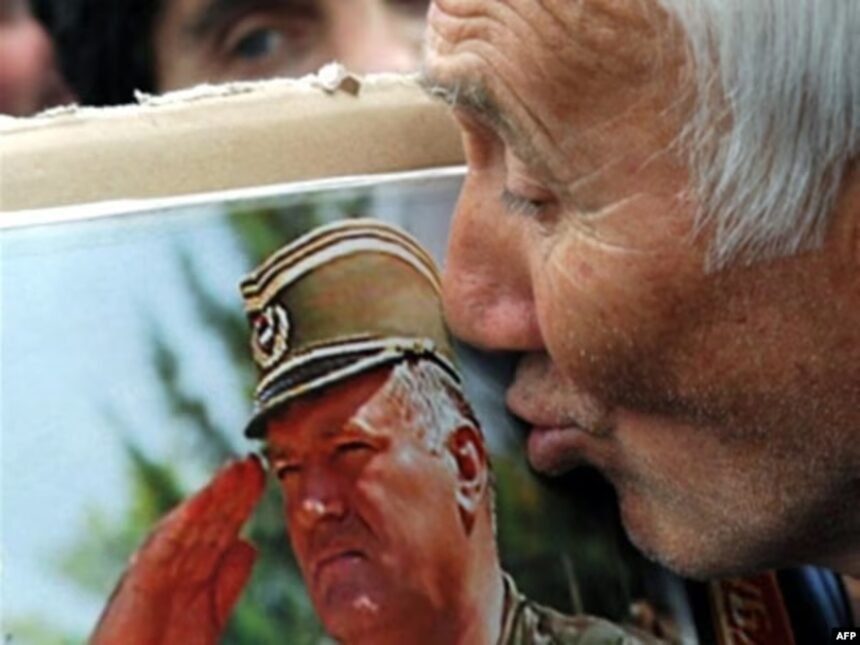
Šušnjar responded on X after Brnabić accused Croatia of threatening Serbia’s European future. His response focused on the Serbian government’s reported plans to provide state and military honors at the funeral of former Bosnian Serb commander Ratko Mladić, who was convicted by an international tribunal of genocide, crimes against humanity and war crimes.
Rather than accepting Brnabić’s accusation that Croatia was attempting to block Serbia’s EU integration, Šušnjar argued that Serbia was creating the problem itself.
“Neither Croatia nor Europe is closing Serbia’s doors. Serbia is choosing to close them itself,” Šušnjar wrote, referring sarcastically to the planned ceremony and what he described as a “loud honor guard.”
Šušnjar also turned his criticism directly toward Brnabić, recalling her appearance at a Serbian television event during Orthodox Christmas alongside Vojislav Šešelj, the Serbian Radical Party leader and convicted war criminal. He accused her of having “serious personal experience” with such celebrations and referred to the singing of Chetnik songs during the broadcast.
But the Croatian minister emphasized that the more serious issue was not a television appearance or political dispute.
“It’s difficult to discuss taste, but not the announcement of state and military honors for a man legally convicted of genocide and war crimes,” Šušnjar said in his post.
The exchange comes amid a broader dispute between Zagreb and Belgrade over the proposed treatment of Mladić after his death. Croatian Prime Minister Andrej Plenković had previously warned that Serbia could damage its own EU prospects if state institutions participated in a funeral ceremony honoring Mladić.
Brnabić rejected that criticism and accused Plenković of double standards, pointing to his support for Croatian singer Marko Perković Thompson and reopening controversies surrounding the use of the Ustaša-era slogan “Za dom spremni.”
The dispute has consequently developed into a wider argument over competing interpretations of the region’s wartime past, with officials on both sides invoking historical crimes and nationalist symbols.
For Šušnjar, however, the central issue is straightforward: Serbia cannot simultaneously seek closer integration with the European Union while using state institutions to honor an individual convicted of some of the gravest crimes committed during the Bosnian war.
His final message was delivered with another dose of sarcasm, referencing the Chetnik song “Vrati se vojvodo na Dinaru ponovo” and suggesting that such scenes hardly represent a contribution to Serbia’s European integration.
The confrontation highlights a continuing challenge for Serbia’s EU ambitions: how its institutions address the legacy of the wars of the 1990s, including the commemoration and public treatment of individuals convicted of war crimes.
As Šušnjar put it, the doors to Europe are not being closed by Croatia or Europe — Serbia is choosing whether to close them itself.