Greece has also sounded the alarm over cybersecurity following attacks targeting supermarket refrigeration control systems in other European countries.
The National Cybersecurity Authority in Athens has announced that more than 300 industrial systems directly exposed to the internet have been identified across the country. Most are controllers for commercial refrigeration systems manufactured by Danfoss, Copeland/Dixell and Carel.
These devices are used to remotely control the temperature and operation of refrigerators in supermarkets, warehouses, food companies and other facilities where keeping products at the correct temperature is essential.
However, Greek authorities have clarified that the fact that a system is exposed to the internet does not automatically mean it has been attacked or compromised. Nevertheless, such a configuration could give hackers the opportunity to interfere with the operation of the equipment.
The alarm in Greece follows serious incidents reported in other parts of Europe.
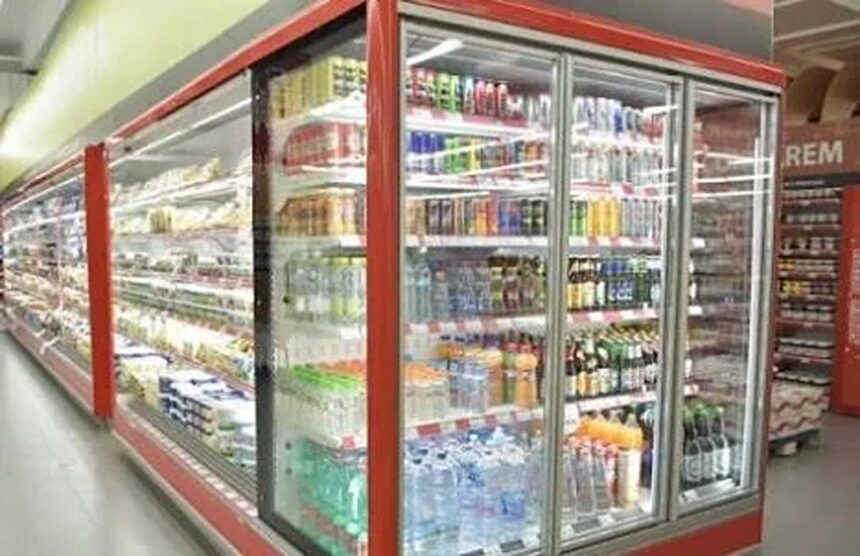
Since this morning, representatives of various food companies have appeared in Greek media, reporting that they found their refrigeration units displaying altered temperatures. In one case, supermarket employees discovered that the temperature indicator on their refrigerators was showing 150 degrees. Fortunately, they noticed the problem in the early hours of the morning, when the actual temperature was still at 17 degrees.
As Greek authorities have pointed out, these are modern refrigerators connected to the internet, but in this case, their systems are reportedly vulnerable to hacking.
Such an attack would involve more than just data theft. If hackers managed to alter the temperatures or operating settings of refrigeration units, they could disrupt the cold chain and put meat, dairy products, frozen foods and other temperature-sensitive goods at risk.
The National Cybersecurity Authority has urged Greek companies to immediately disconnect these systems from the public internet, while ensuring that remote access is provided only through secure VPN connections and multi-factor authentication.
The authority has also recommended changing default passwords, installing security updates and replacing outdated equipment that is no longer supported by manufacturers.
The incident highlights how a cyberattack, once perceived primarily as an information technology problem, can now have direct consequences for the food supply chain and consumer safety.