The Alliance of Vojvodina Hungarians (SVM) – the main party representing this minority in Serbia and a long-time partner of the ruling власти – reacted only with a social media post on the night of Hungary’s elections.
In these elections, the party supported Viktor Orbán and his party Fidesz, even mobilizing tens of thousands of dual citizens from Serbia to vote.
However, Hungary witnessed a major political shift. Orbán, a long-standing right-wing leader, lost power after 16 years.
SVM congratulated opposition leader Péter Magyar and his Tisza party on their victory, while still expressing gratitude to Fidesz for its long-standing national policies.
The party’s leader, Bálint Pásztor, thanked Orbán publicly but declined further comment.
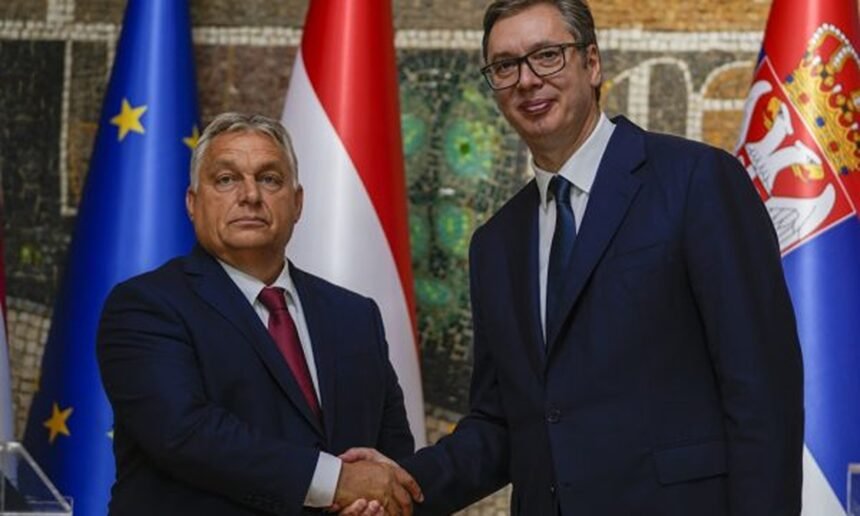
SVM has traditionally maintained close ties with Orbán, forming a strong alliance since he came to power. The party has often been described as a “bridge” between Serbian President Aleksandar Vučić and Budapest.
Political implications
Analysts suggest that Orbán’s defeat could weaken SVM’s influence among Hungarians in Serbia, especially if new political competitors emerge. Parliamentary elections in Serbia are expected in the coming months, amid a political crisis fueled by protests and corruption allegations.
SVM remains one of Vučić’s key partners and holds significant representation in both Serbia’s national and Vojvodina’s provincial assemblies.
According to analyst Aleksandar Popov, Orbán’s loss represents a major setback:
“With Orbán’s defeat, Vučić has lost an important ally and representative within the European Union.”
He added that this outcome could encourage opposition voters in Serbia, proving that even long-standing leaders with strong international backing can be defeated.
Vučić congratulated the Tisza party while also thanking Orbán for strengthening bilateral relations.
Potential changes ahead
Magyar has pledged reforms, anti-corruption measures, and stronger ties with European Union. He has also emphasized maintaining good relations with neighboring countries, though analysts believe his focus on rule of law may create tensions with Belgrade.
Hungarian political dynamics could also reshape the position of Hungarian minority parties in Serbia, possibly leading to political realignment.
Economic and diaspora impact
Orbán’s government has supported economic programs in Vojvodina through the “Prosperitati” foundation, investing around €500 million over the past decade in small businesses, agriculture, and housing.
Critics argue that much of this funding benefited individuals close to SVM, while others call for more transparency under the new Hungarian leadership.
Hungarians remain the largest minority in Serbia, with over 184,000 people, many holding dual citizenship and voting rights in both countries.
Observers note that the recent election campaign extended into Vojvodina and was marked by political tensions and divisions within the community.