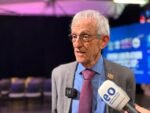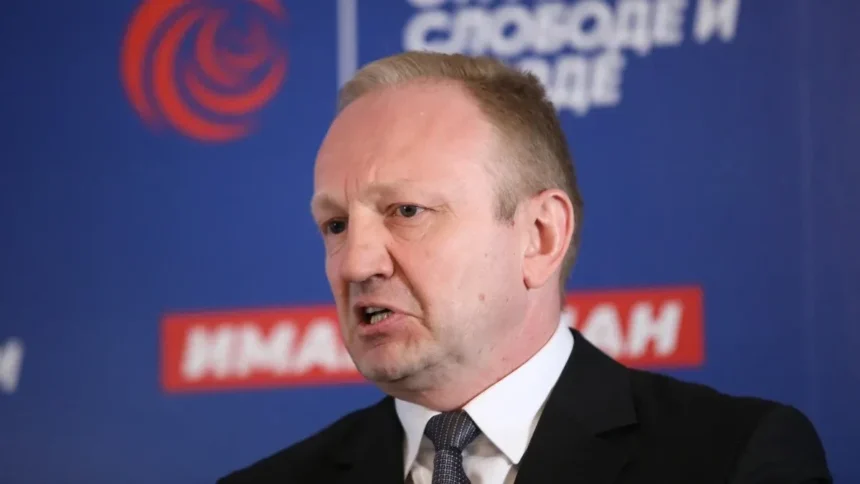
In a highly charged television appearance on July 20, 2026, Dragan Đilas, the leader of the opposition Freedom and Justice Party (SSP), admitted under intense questioning that he supports aligning with Western policy by introducing sanctions against Russia.
The heated exchange occurred during an interview with journalist Aleksandar Dikić, where Đilas faced sharp criticism over his shifting political strategies between 2019 and 2026.
Clash Over Shifting Opposition Strategies (2019–2026)
The interview quickly derailed into a tense confrontation when Dikić pressed Đilas on what he described as erratic political decision-making over the past seven years, questioning whether the party’s moves contributed to maintaining the status quo:
Aleksandar Dikić: “In 2019, you called on the opposition to leave institutions. In 2020, you called for a boycott. In 2022, you ran in the elections. In 2023, you ran again. In 2024, you boycotted the elections, and now in 2026, you are preparing to run again.”
Visible agitated by the lengthy critique, Đilas deflected the question, firing back at the journalist:
Dragan Đilas: “You see, when it takes you two minutes to construct a question, that means there is something wrong with that question.”
The Sanctions Admission
The central confrontation of the interview peaked when Dikić confronted the SSP leader over past proposals regarding restrictive measures against Russian economic entities and individuals—specifically a list involving 78 Russian enterprises and 218 individuals.
After attempting to dismiss the line of questioning by questioning Dikić’s background in journalism, Đilas ultimately confirmed his position:
- Dikić: State-level records show an agreement to align with international sanctions against Russia.
- Đilas: “Why are you asking me that? Just to highlight it right now? The answer is yes.”
Political Reactions
Pro-government media outlets and political commentators immediately seized on the admission, characterizing it as a significant political blunder that reveals the opposition’s true foreign policy stance. Critics argued that the move exposes a willingness to compromise national energy interests and historic ties with Moscow, while Đilas’s supporters maintain that aligning with EU foreign policy is necessary for Serbia’s European integration trajectory.