Italy has rejected Spain’s demand to end border checks on travelers from Spain, escalating a growing diplomatic dispute between the two European Union members over migration and border security.
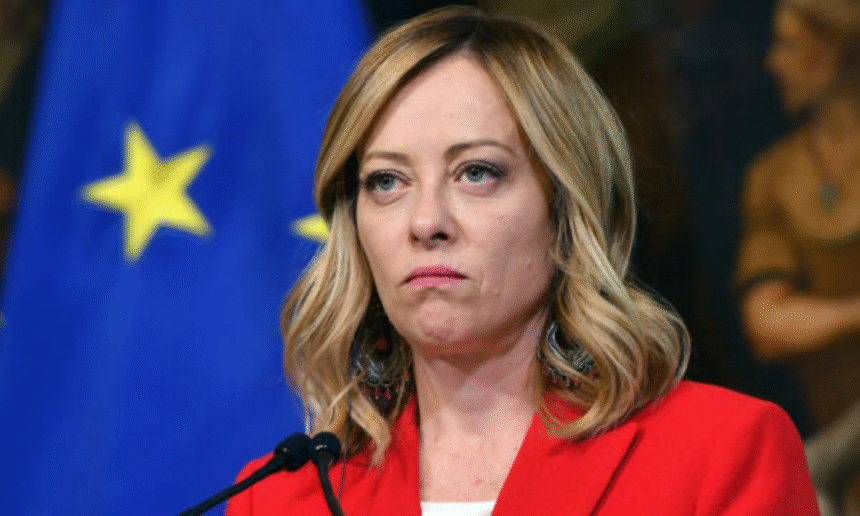
Prime Minister Giorgia Meloni’s government said Friday that it would maintain the temporary controls “at least until August 15,” and potentially longer, until authorities are satisfied that security and terrorism risks to Italy have been eliminated.
“Italy does not accept ultimatums or demands from abroad regarding national security and border control,” the Italian prime minister’s office said in a statement.
The response came hours after Madrid threatened to take “proportional measures” if Rome failed to lift the border controls by August 9. Spain has described Italy’s decision to reintroduce checks on travelers from Spain as unjust and discriminatory, arguing that it undermines the principles of the Schengen passport-free travel area.
Italy temporarily suspended Schengen rules with Spain on August 1 following the mass arrival of unauthorized migrants in Spain’s North African exclave of Ceuta last week.
Rome defended the move as a necessary measure to protect national security and European borders, while insisting that Spain remains a “friendly country.”
Italian authorities said the controls would remain in place until there is sufficient certainty that there are no security or terrorism threats, no new migration surge and no irregular migrants moving toward European territory.
The Italian government also pointed to concerns over a possible new wave of migration in Ceuta expected around August 15.
The dispute has created tensions between two EU partners during the peak summer travel season, with border controls potentially causing delays and uncertainty for thousands of passengers.
Madrid has accused Rome of using the migration situation to justify measures that disproportionately affect Spanish travelers, while Italy maintains that border security remains a national responsibility and that emergency controls are justified by the current security situation.
The confrontation now risks developing into a broader dispute over the application of Schengen rules, migration management and the limits of national authority within the European Union.