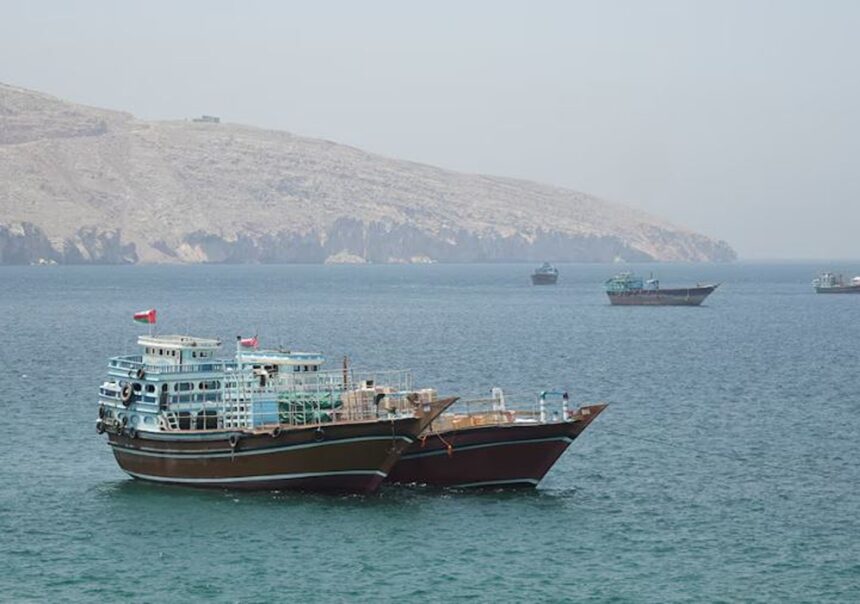
A Japanese-owned oil tanker carrying three Japanese crew members successfully navigated out of the Persian Gulf via the Strait of Hormuz on Friday, June 19, 2026, ending a tense standoff where it had been stranded due to volatile military clashes between the United States and Iran.
The vessel, an oil tanker sailing under the Liberian flag of convenience, is now safely in open waters and en route to its final destination in Japan.
According to an official briefing from the Ministry of Foreign Affairs of Japan, the successful exit of this vessel marks a critical operational milestone: all Japanese-affiliated merchant ships and Japanese crew members have now been completely evacuated from the high-risk zones of the Persian Gulf.
De-Escalation Fueled by US-Iran Memorandum
The merchant ship’s release follows weeks of regional gridlock that threatened global energy supply chains. Japanese diplomats revealed that the breakthrough was directly accelerated by the recent signing of a bilateral Memorandum of Understanding (MoU) between Washington and Tehran, aimed at establishing temporary security corridors for commercial shipping.
The Persian Gulf Shipping Evacuation

 [ MARITIME BOTTLENECK ] ──► US-IRAN MILITARY CLASHES
 • Commercial oil tankers stranded inside the Persian Gulf as
   skirmishes choke off safe passage through the Hormuz corridor.

 [ DIPLOMATIC BREAKTHROUGH ] ──► REGIONAL CORRIDOR AGREEMENT
 • US and Iran sign an emergency MoU, allowing the final Liberian-flagged,
   Japanese-owned tanker to safely cross into open water.
The Japanese government stated that despite the successful evacuation of its personnel, it will not pull back its diplomatic footprint in the Middle East. Tokyo pledged to continue its active mediation efforts to secure a permanent treaty guaranteeing unrestricted, safe navigation through the Strait of Hormuz—a maritime artery responsible for the transit of more than 20% of the world’s petroleum liquids.