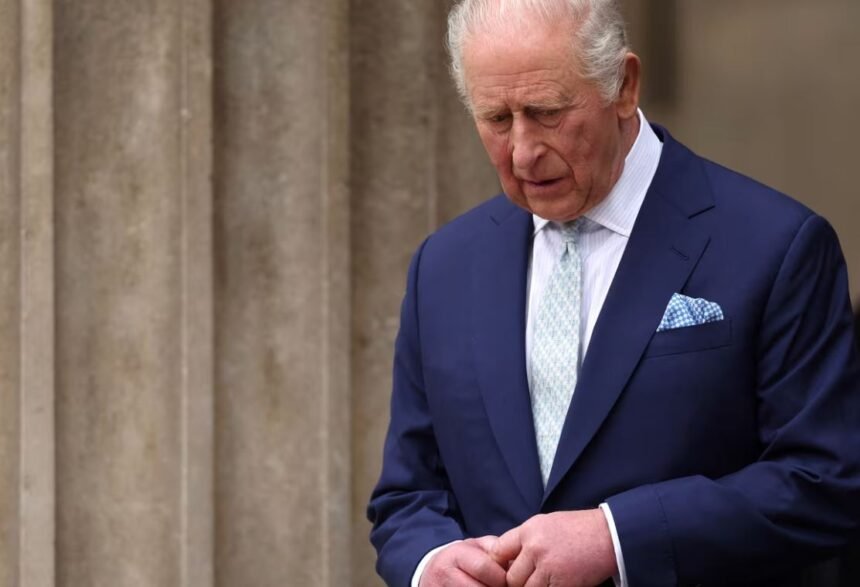
King Charles III is preparing for what is being described as one of the most challenging diplomatic moments of his reign, as he travels to the United States for a four-day state visit that includes a high-stakes meeting with President Donald Trump.
The visit comes at a time of strained relations between the United Kingdom and the United States, despite Trump previously describing the bilateral relationship in poetic terms during a state banquet hosted by the British monarch. At the time, he likened the alliance to “two notes in a chord” and “two verses of the same poem.”
However, Trump’s tone has since shifted significantly. He has publicly criticized British Prime Minister Keir Starmer, labeling him a “loser” over his refusal to support U.S. military actions in the conflict with Iran. Trump also drew unfavorable comparisons between Starmer and former British leaders such as Winston Churchill and Neville Chamberlain, further intensifying tensions.
In addition, Trump questioned the strength of the longstanding “special relationship,” stating recently that ties between the two nations were “not good at all.” He also criticized the capabilities of the Royal Navy, describing its aircraft carriers as inadequate.
Against this backdrop, King Charles’s visit is seen as an effort to help stabilize and potentially reset transatlantic relations. The timing is symbolically significant, marking the 250th anniversary of American independence—declared during the reign of his ancestor, George III.
While the British monarch holds a largely ceremonial role, such visits can carry substantial diplomatic weight, particularly in times of political friction. Observers note that Charles’s personal diplomacy may play a key role in easing tensions and reinforcing cooperation between the two historic allies.