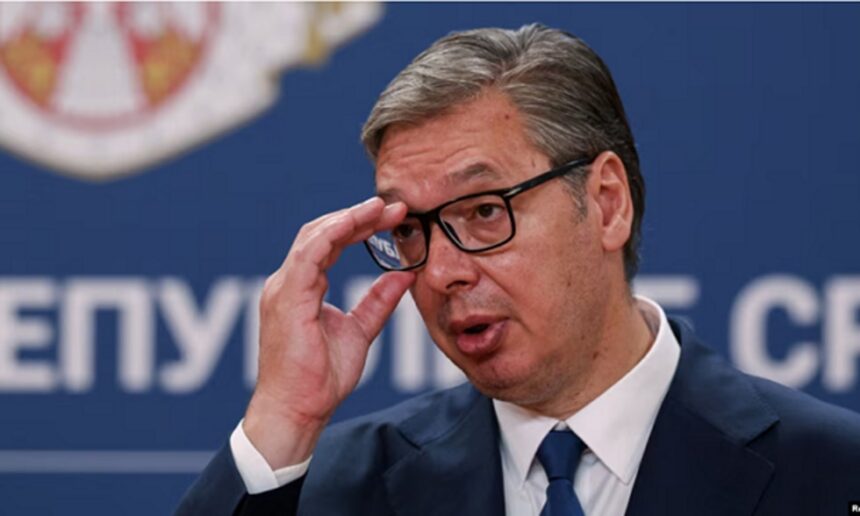
Serbian President Aleksandar Vučić has dissolved the country’s parliament and called snap parliamentary elections for October 25, according to a decree signed on September 9.
The decision follows a proposal approved by the Serbian government on September 7, based on a request from Prime Minister Đuro Macut to dissolve the National Assembly.
The upcoming vote will be Serbia’s 15th parliamentary election since the introduction of a multiparty system and its 11th snap election.
The election comes nearly three years after the previous parliamentary vote, held in December 2023. That election was followed by allegations from opposition parties, civil society organizations and international observers of serious irregularities, including voter pressure, misuse of public resources and the involvement of state officials in campaigning.
Since then, Serbian authorities have adopted several legal changes, describing them as steps to implement recommendations from the OSCE Office for Democratic Institutions and Human Rights (ODIHR). However, some domestic organizations have argued that key concerns surrounding the electoral process remain unresolved.
The snap election also follows months of student-led protests that began in 2025. Demonstrators have demanded accountability over the deaths of 16 people in the collapse of the railway station canopy in Novi Sad, and have repeatedly called for early parliamentary elections.
The possibility of snap elections had been discussed by Serbian authorities for months. Vučić had also previously indicated that he could leave the presidency before the end of his current term in April 2027.
Under Serbian law, parliamentary elections are called by the president, with the election date required to fall between 45 and 60 days after the elections are officially called.
Serbia will now enter an election campaign with the political establishment under pressure from months of protests and growing demands for greater accountability and institutional reform.