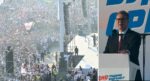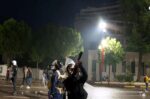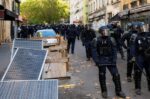
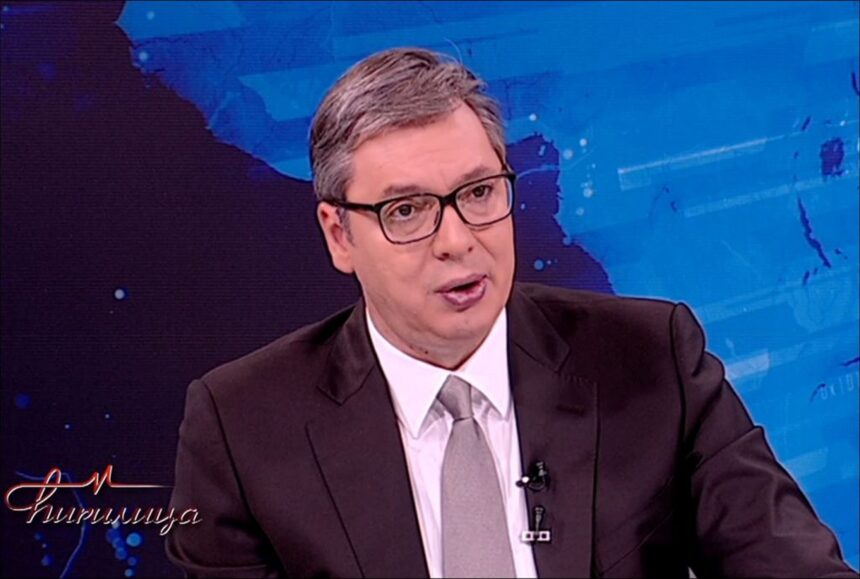
Serbian President Aleksandar Vučić announced on Saturday that he intends to resign within the next few weeks, paving the way for early presidential and parliamentary elections after 18 months of anti-government protests.
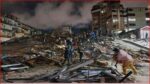
Vučić, who has served as either president or prime minister for the past 12 years, made the announcement amid ongoing student-led demonstrations against corruption, sparked by the collapse of a railway station canopy in Novi Sad in November 2024 that claimed the lives of 16 people.
Protesters, opposition parties, and human rights organizations argue that the tragedy exposed broader government mismanagement of construction projects and systemic corruption.
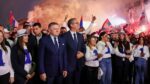
“I will remain president for only a few more weeks, and then I will resign,” Vučić told supporters gathered at a pro-government rally in Belgrade. His second and final presidential term is scheduled to expire in mid-2027.
He also said he would campaign to help his Serbian Progressive Party (SNS) win both the presidential and early parliamentary elections, which were originally due in 2027.
“My proposal is that our list, the winning list in the upcoming elections, be called ‘United Serbia,’” Vučić said.
This Is Not the End of Vučić
According to RKS News, Vučić is unlikely to leave politics, as his resignation could pave the way for him to become prime minister again if his party secures victory in the parliamentary elections. Such a move would continue the long-standing pattern in which political power in Serbia remains centered around Vučić, regardless of his official title.
Analysts believe he will seek to install a close ally as president while continuing to exercise influence from the position of prime minister.
“This is certainly not the end of Vučić,” said Warsaw-based analyst Radivoje Grujić. “He already has a plan, and it definitely does not involve political retirement—quite the opposite.”
RKS News also noted that the timing of the announcement suggests that the sustained wave of protests—the largest since the overthrow of Slobodan Milošević in 2000—has played a significant role.
Student-led activists and opposition groups have repeatedly stated that they intend to challenge Vučić and the SNS in upcoming elections.
Savo Manojlović, leader of the opposition movement Move-Change, argued that Vučić is attempting to avoid an inevitable political defeat.
“By resigning and calling early presidential and parliamentary elections, Vučić is trying to prevent his inevitable downfall because of the protests and the student movement, which currently enjoys greater public support than he does,” Manojlović said.
Could Vučić Return as Prime Minister?
Although the Serbian presidency is largely a ceremonial office, Vučić has maintained significant influence over both his party and the government.
He has previously floated the possibility of returning as prime minister, and several of his senior allies have recently endorsed the idea publicly.
In an interview in February, Vučić said he was uncertain about his plans after his presidential term ends but did not rule out returning to party politics or seeking the premiership.
“I would like to be less involved in politics—or not involved at all—but preserving my legacy may require some level of engagement. We will see,” he said.
Addressing supporters at the rally, many of whom were reportedly transported by bus from across Serbia, Vučić accused student protesters and anti-government demonstrators of attempting to destabilize the country and alleged that they were cooperating with unidentified foreign powers—claims the protesters strongly deny.
“For the thousand-and-first time, we extend our hand to you. We forgive everything you have done, but we are not naïve, and we will not forget what has been done to the country over the past year,” Vučić said.
Serbia Balances Between the EU and Russia
Serbia remains a candidate for European Union membership while maintaining close political and economic ties with both Russia and China—a balancing act that has defined Vučić’s time in office.
Before joining the EU, Serbia is expected to strengthen the rule of law, ensure free and fair elections, combat corruption and organized crime, and align its foreign policy more closely with that of the bloc.
At Saturday’s rally, Vučić pledged that his government would intensify efforts to fight corruption. He also promised higher pensions, increased financial support for low-income citizens, and improvements to the country’s public healthcare system.
Meanwhile, opposition leaders continue to accuse Vučić and his allies of political intimidation, widespread corruption, links to organized crime, and undermining media freedom. Vučić and his supporters have consistently denied those allegations.