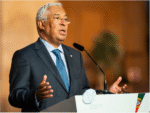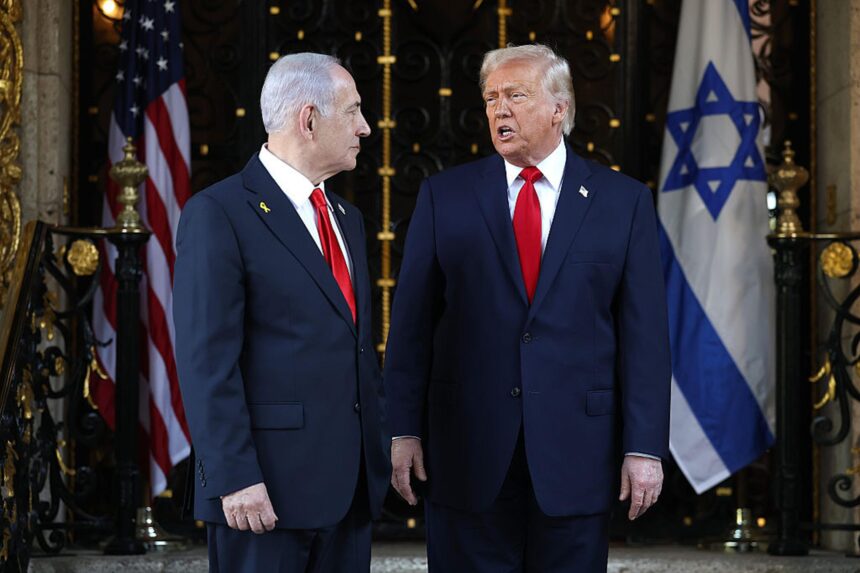
A fiery, high-stakes diplomatic rift between the United States and Israel erupted into public view on Tuesday, June 2, 2026, following explosive reports that US President Donald Trump launched into a profanity-laced tirade against Israeli Prime Minister Benjamin Netanyahu.
According to an initial report by the American news outlet Axios, the volatile exchange occurred during a heated Monday telephone call. Trump reportedly berated Netanyahu over Israel’s operational directives to resume heavy airstrikes in the southern suburbs of Beirut, Lebanon—a move that Washington fears will totally collapse delicate regional ceasefire negotiations with Iran.
The Axios Account: “You’d Be in Jail If It Weren’t for Me”
The Axios report, which citoes an anonymous US official with direct knowledge of the conversation, paints a picture of a relationship under extreme structural duress. Trump reportedly used blunt, highly aggressive language to demand that Israel immediately halt its planned aerial campaign against Hezbollah infrastructure in Beirut’s densely populated Dahiyeh district.
“What the hell are you doing?” Trump reportedly shouted at Netanyahu during the call.
The US official further characterized Trump’s remarks as deeply personal and transactional:
“You are crazy. You’d be in jail if it weren’t for me. I’m saving your a**. Everyone hates you right now. Everyone hates you because of this.”
The spark for Trump’s fury was Netanyahu’s sudden order directing the Israel Defense Forces (IDF) to prepare a renewed bombing campaign in the southern suburbs of Beirut. The IDF had already begun issuing urgent evacuation orders to Lebanese civilians in Dahiyeh, triggering a mass exodus of thousands of families and signaling an imminent escalation against Iran-backed Hezbollah forces.
[The Geopolitical Domino Effect of the Call]
Israel orders Dahiyeh evacuations ──> Trump launches profanity-laced warning to Netanyahu
                                                   │
                                                   ▼
                                    Tehran suspends US-Iran Peace Talks
                                                   │
                                                   ▼
                                 [RISK: Permanent Blockade of the
                                  Strait of Hormuz Retained]
Geopolitical Fallout: Iran Halts Peace Talks
The diplomatic fallout from Israel’s threatened escalation was immediate. On Tuesday, the Iranian government announced it was officially suspending all active peace negotiations with the United States in protest of Israel’s ongoing military operations in Southern Lebanon.
The suspension severely threatens the Trump administration’s broader Middle East exit strategy. Washington and Tehran had been making incremental progress toward a comprehensive regional settlement managed by US Secretary of State Marco Rubio.
               [The Fragile Regional Framework]

   US-Iran Negotiation Matrix          Israeli Military Directive
  ┌──────────────────────────┐        ┌──────────────────────────┐
  │ • Reopen Strait of Hormuz│        │ • Resume Beirut Bombing  │
  │ • Lift Iranian Blockade  │   VS   │ • Neutralize Hezbollah  │
  │ • Include Lebanon Cease  │        │ • Displace Civilians     │
  └──────────────────────────┘        └──────────────────────────┘
               │                                   │
               v                                   v
    [Diplomatic Resolution]              [Regional Escalation]
Tehran continues to demand a unified framework:
- The Lebanese Nexus: Iran insists that any diplomatic treaty ensuring the permanent reopening of the Strait of Hormuz and the lifting of the US naval blockade on Iranian ports must dynamically include a synchronized, binding ceasefire protecting Lebanon from Israeli air incursions.
- The Asymmetric Threat: While joint US-Israeli strikes in late February heavily degraded Iran’s conventional infrastructure, Tehran’s leverage remains tied to its maritime blockade and Hezbollah’s active drone inventory.
Israel’s Channel 12 Disputes the Narrative
The details of the explosive phone call were quickly challenged by Israeli state media. Channel 12, Israel’s prominent broadcaster, issued a counter-assessment seeking to downplay the severity of the interpersonal friction.
Amit Segal, the network’s chief political analyst, disputed the claim that Trump leveled personal insults or threats at Netanyahu. According to Segal’s sources, the conversation was strict and strategic but professional.
He asserted that the two leaders Ultimately arrived at a conditional understanding: Trump secured a commitment from Netanyahu to hold back on striking the heart of Beirut, provided that Hezbollah completely ceases its ongoing loitering drone attacks against northern Israeli territories.
A Transactional and Historically Volatile Alliance
The public friction underscores the deeply volatile, transactional nature of the Trump-Netanyahu alliance. Although the United States remains Israel’s indispensable security guarantor, personal relations between the two leaders have frequently ruptured behind closed doors.
While the two capitals successfully executed highly synchronized, joint military operations against Iranian targets following the regional escalation in late February, Trump has repeatedly grown impatient with Netanyahu’s military timelines. With global oil shipping lanes hanging in the balance, Washington appears increasingly willing to use severe diplomatic leverage to force an immediate Israeli draw-down in Lebanon.