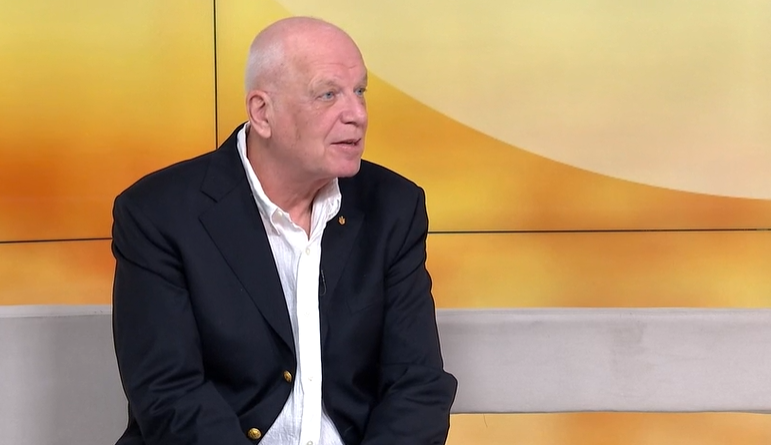
Serbian historian Milan St. Protić has urged the repetition of large-scale civic protests similar to those held on March 15, 2025, arguing that public demands for freedom and democracy in Serbia remain strong but insufficiently organized politically.
Speaking to N1 Beograd, Protić described the year-long student protest movement as “a major historical phenomenon”, noting that few expected demonstrations to grow into such a sustained and mass mobilization.
Student Protests Described as “A Historical Miracle”
Protić highlighted recent protest gatherings in Valjevo and Kragujevac as encouraging signs of civic resistance, but warned they may not generate sufficient pressure for political change without broader mobilization.
According to him, student demonstrations that began after the collapse of a canopy structure in November 2024 symbolize a deep-rooted public desire for democratic reform.
“The scale and persistence of student protests represent a miracle and demonstrate that the desire for freedom and democracy among citizens is indestructible,” Protić stated.
He emphasized that despite organizational weaknesses and political inexperience, the protests reveal widespread dissatisfaction with the country’s governance.
Strong Criticism of Government Conduct
Protić sharply criticized authorities, claiming that increased police presence, masked officers, and alleged pressure within public institutions signal a growing authoritarian climate. He argued that such actions undermine optimism about democratic progress and intensify public frustration.
The historian also questioned Serbia’s broader democratic trajectory, comparing the current constitutional framework unfavorably with earlier democratic milestones, including reforms dating back nearly two centuries.
Calls for Renewed Political Pressure
Protić stressed that public dissatisfaction must be translated into a clear political platform, warning that protest demands such as anti-corruption measures and property origin investigations, while legitimate, remain difficult to implement without structural political change.
He suggested that another mass demonstration in Belgrade could become a decisive political turning point, potentially leading to demands for accountability from President Aleksandar Vučić and possibly triggering early elections.
Concerns Over Serbia’s Political Future
Protić concluded that Serbia faces a critical moment, arguing that sustained civic mobilization may be the only viable path toward democratic reform, while warning that continued political stagnation could deepen institutional and social crises.