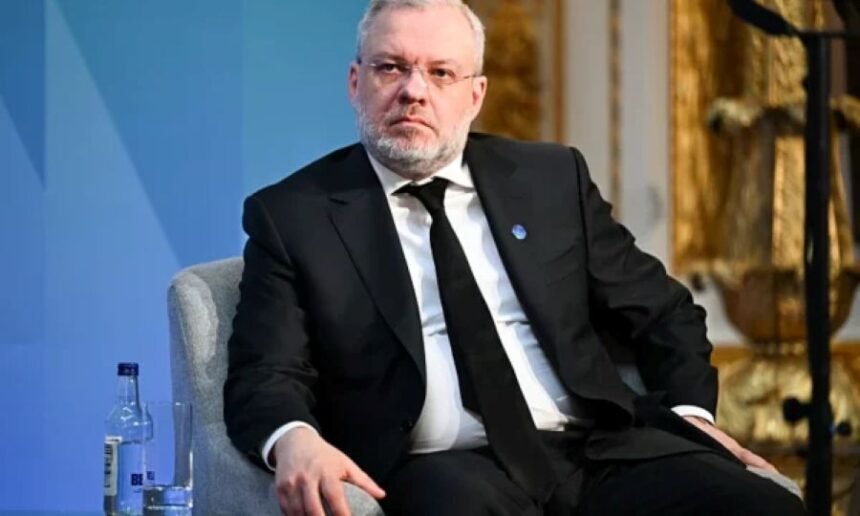
Former Ukrainian Energy Minister German Galushchenko has been arrested while allegedly attempting to leave Ukraine, marking a significant development in an ongoing high-profile corruption investigation that has intensified scrutiny over government accountability during wartime.
According to reports from BBC, German Galushchenko was detained on a train as he attempted to exit the country, following allegations linking him to a major embezzlement scheme involving approximately $100 million.
Corruption Allegations and Political Fallout
Galushchenko was forced to step down from his ministerial role last year after becoming embroiled in corruption accusations. Investigators allege he was among several government officials implicated in a scheme involving systematic bribery linked to contracts awarded by Enerhoatom, Ukraine’s state-owned nuclear power operator.
Authorities suspect that officials involved in the scheme received bribes ranging between 10% and 15% of contract values, raising serious concerns about transparency and governance in a critical sector responsible for the country’s energy security during the ongoing conflict.
Following his dismissal from the energy ministry, Galushchenko briefly served in another senior governmental role. However, the widening corruption scandal also led to the resignation of his successor, Svitlana Hrynchuv, highlighting the depth of the crisis within Ukraine’s energy leadership.
Investigation and Detention
As reported by Radio Free Europe/Radio Liberty, Galushchenko has been transported to Kyiv for further interrogation. Border authorities had reportedly been instructed to notify law enforcement agencies if he attempted to leave the country, indicating that officials had been monitoring his movements prior to his arrest.
Broader Political and International Implications
The corruption scandal has increased international pressure on Ukraine’s leadership, particularly from Western allies, to strengthen anti-corruption efforts and governance reforms. Reports suggest the case has also intensified calls for elections, which have remained suspended since Russia’s full-scale invasion in 2022, due to constitutional provisions enacted under martial law.
Critics argue that corruption scandals of this scale risk undermining international confidence in Ukraine’s institutional integrity, particularly as the country continues to rely heavily on foreign financial and military assistance. At the same time, Ukrainian authorities face the challenge of balancing wartime stability with democratic accountability.
The case is expected to remain under close domestic and international observation as investigators proceed with legal proceedings.