Slovakia and Hungary have accused Ukraine of deliberately blocking the transit of Russian oil through the Druzhba pipeline, threatening to cut electricity supplies and obstruct European Union assistance in response.
For several weeks, Russian oil has not been flowing to Slovakia via Ukraine due to reported damage to sections of the Druzhba pipeline.
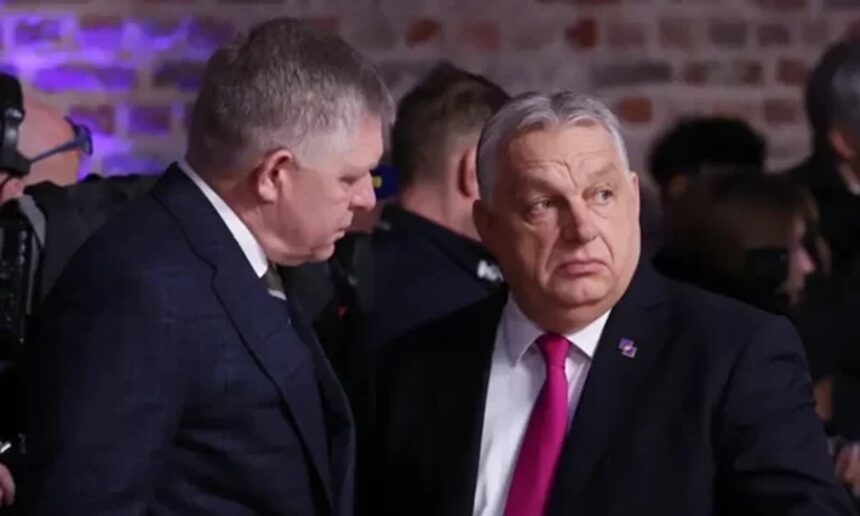
Slovak Prime Minister Robert Fico warned Kyiv that electricity supplies to Ukraine could be halted if the transit of Russian oil through Ukrainian territory does not resume by Monday. Hungarian Prime Minister Viktor Orbán has issued similar threats.
Hungary and Slovakia together provide roughly half of Ukraine’s emergency electricity imports from Europe. Ukraine remains heavily dependent on these supplies following extensive Russian attacks on its energy infrastructure.
Ukraine Condemns the Threats
Kyiv strongly condemned the statements from Budapest and Bratislava, accusing the two EU member states of blackmail and provocation.
Ukrainian Foreign Minister Andrii Sybiha described the threat to cut electricity supplies — especially after repeated Russian strikes on Ukraine’s energy infrastructure — as irresponsible.
“This endangers the energy security of the entire region,” Sybiha wrote on the social media platform X. He added that the governments in Budapest and Bratislava should address their complaints to the Kremlin rather than Kyiv.
According to Ukraine’s Foreign Ministry, the Druzhba pipeline was damaged as a result of Russian attacks, and repair works are ongoing despite continued missile threats.
Kyiv also criticized the timing of the threats, noting that cutting electricity, heating, and gas supplies during a period of extreme cold would severely impact civilians.
Fico Accuses Zelensky of Political Motives
At a press conference in Bratislava, Fico used confrontational rhetoric toward Ukraine. He stated that responsibility for the pipeline damage remains unclear, with Ukraine accusing Russia of causing the damage during attacks, while Moscow claims Kyiv intentionally halted oil transit.
“I would have to speculate, but this is not the first time President Zelensky has made political decisions that harm Slovakia,” Fico said, referring to a previous suspension of gas transit through Ukraine to Slovakia.
Fico insists the current oil transit issue represents retaliation for the policies Slovakia and Hungary pursue toward Ukraine.
Both countries have been among the more critical voices within the European Union regarding military and financial aid to Ukraine, as well as its potential EU membership. Slovakia has not participated in the €90 billion EU aid package, and both Slovakia and Hungary continue purchasing crude oil from Russia.