German media outlet TAZ reports on a growing media scandal in Serbia, detailing the transformation within United Group (UG), which manages N1 TV and the daily newspaper Danas. According to TAZ, a plan discussed six months ago between Sten Miler, head of United Group, and Vladimir Lučić, director of the state-owned Telekom Srbija, has now been executed. The Serbian government has long sought to limit N1’s reach.
From Wiretapped Conversations to Leadership Changes
Aleksandra Subotić is no longer leading United Media. In August 2025, investigative journalists released parts of a wiretapped conversation between Miler and Lučić, in which Lučić conveyed President Aleksandar Vučić’s expectations: N1 should lose influence, and Subotić should leave. Miler indicated that changes would take time – six months later, the plan is complete.
N1 as a Problem
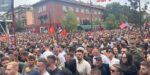
Subotić had previously emphasized maintaining the editorial independence of UG’s media outlets. This independence appears to have become the issue. N1 and Nova S are currently the only Serbian TV stations not under government control, frequently covering protests following the November 2024 Novi Sad tragedy, when a railway station canopy collapsed. During these protests, N1’s viewership reportedly doubled.
Meanwhile, the government has tried for years to restrict N1 through denial of national frequency access, administrative pressure, public targeting of journalists, and even physical attacks by ruling party supporters. Since Vučić became president in 2017, Serbia’s ranking on the World Press Freedom Index has fallen from 59th to 96th place.
Reorganization or Control?
The changes outlined in the wiretapped conversation have now been formalized. United Group has established the Adria News Network (ANN), transferring all UG media outlets to this new structure. Brent Sadler, former N1 director and ex-CNN correspondent, has been appointed for editorial oversight. ANN states its goal is the “strengthening and formalization of editorial independence.”
Despite the reorganization, N1 and Danas insist they will maintain their editorial stance. N1 journalist Igor Božić said:
“As long as we are here, we will work independently.”
Danas editor Dragoljub Petrović added:
“We will serve no one.”
In a country where media pluralism is already severely limited, the question remains: is this the end of one phase of pressure – or the beginning of a new one?