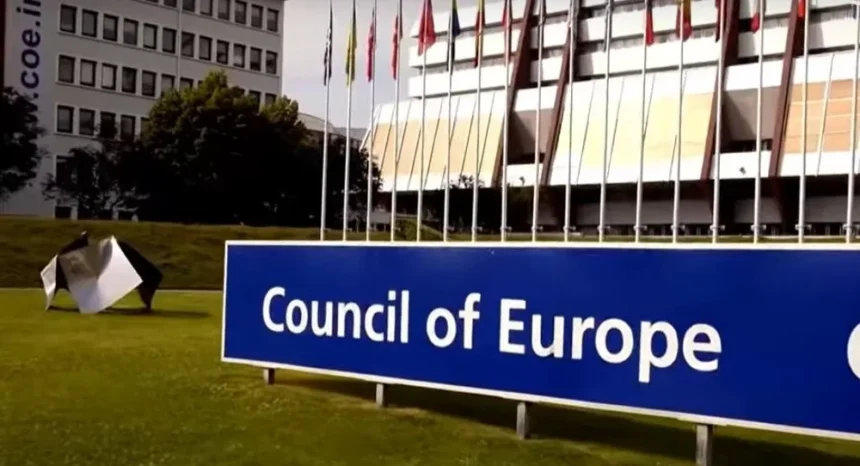
Following a visit to Belgrade on 23–24 March, a delegation from the Parliamentary Assembly of the Council of Europe (PACE) assessed Serbia’s compliance with its commitments to the Council of Europe. Co-rapporteurs Viktoria Thibault and Junus Emre highlighted that their visit focused on the 2024 Novi Sad tragedy, the controversial Mrdić laws, and upcoming local elections.
The co-rapporteurs noted that the railway station tragedy in Novi Sad, which claimed 16 lives and continues to have political and societal repercussions, remains an important and sensitive issue in the country. Authorities were urged to clarify the circumstances surrounding the incident and ensure accountability for those responsible.
They expressed anticipation for the upcoming opinion of the Venice Commission, the Council of Europe’s independent legal expert body, regarding the Mrdić laws, which modify the functioning of the judiciary and prosecution service, and welcomed the government’s commitment to cooperate with the Commission.
The delegation also called on Serbian authorities to conduct the forthcoming local elections in line with international electoral standards and to continue prioritizing electoral reform based on recommendations from the OSCE Office for Democratic Institutions and Human Rights (ODIHR).
During the visit, the delegation also reviewed protests from 2024 and 2025, including the alleged use of sonic weapons during mass demonstrations in Belgrade on 15 March 2025, which caused mental and physical harm to many participants.
“These issues will be examined in detail in our forthcoming report,” the co-rapporteurs said.
They expressed appreciation for the authorities’ willingness to engage in “open dialogue on sensitive issues concerning democracy, rule of law, and human rights in Serbia.”
The statement also reminded that Serbia is one of ten Council of Europe member states under full monitoring procedures, which include regular visits from co-rapporteurs, ongoing dialogue with authorities, and occasional plenary discussions to help member states meet democratic and human rights standards.