Global investment markets were rattled after U.S. President Donald Trump threatened to bomb Iran “back to the stone age,” sharply escalating tensions in a conflict that has now entered its fifth week.
The remarks have dampened investor hopes for a quick resolution, as the ongoing war continues to tighten oil supplies and fuel inflation worldwide.
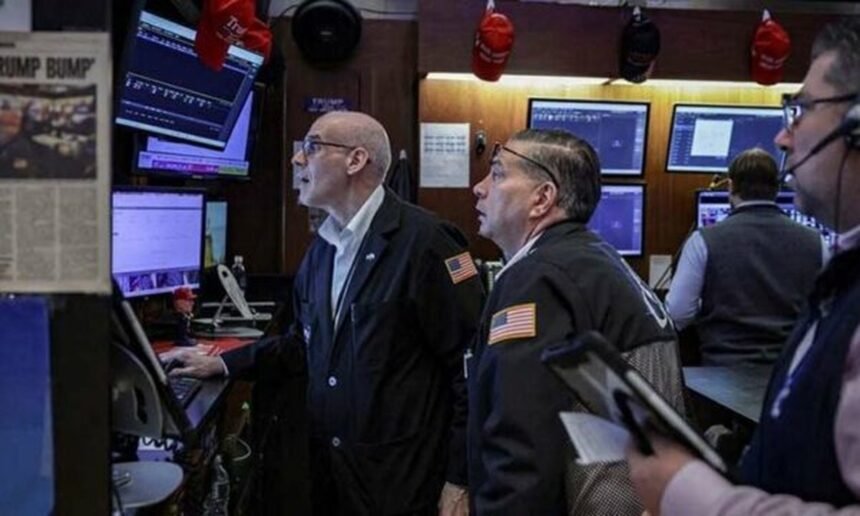
Markets reacted immediately: global stocks and bonds fell, oil prices surged, and the U.S. dollar strengthened. Investors grew increasingly concerned after Trump provided no clear timeline for the end of the conflict, stating only that U.S. strikes on Iranian targets would continue over the next two to three weeks.
Analysts noted that the comments offered little reassurance. Instead, they reinforced fears of a prolonged conflict, pushing investors to pull back from riskier positions.
A major concern remains the disruption of global oil supply, particularly through the Strait of Hormuz — a critical route under Iran’s influence. Oil prices surged, with Brent crude rising about 5% to over $106 per barrel following Trump’s speech.
Experts warn that without reopening this key passage, oil prices could remain elevated for an extended period, potentially triggering another wave of inflation.
The situation has also raised fears of stagflation — a dangerous mix of high inflation and weak economic growth. Officials, including members of the Bank of Japan, cautioned that such a scenario could be difficult to manage using traditional monetary policy tools.
Bond markets reflected these concerns, with yields on U.S. Treasury notes rising amid expectations that higher inflation could limit central banks’ ability to ease policy. The 10-year yield climbed to around 4.37%.
Meanwhile, the U.S. dollar — often seen as a safe-haven asset — strengthened against major currencies, reversing earlier losses.
Market analysts suggest volatility is likely to persist in the coming weeks, with oil and the dollar expected to remain strong in the short term as investors adopt a more cautious stance.
Ultimately, uncertainty over how long the conflict will last continues to drive instability. As analysts point out, the key question for investors remains: when — and how — will this war end?