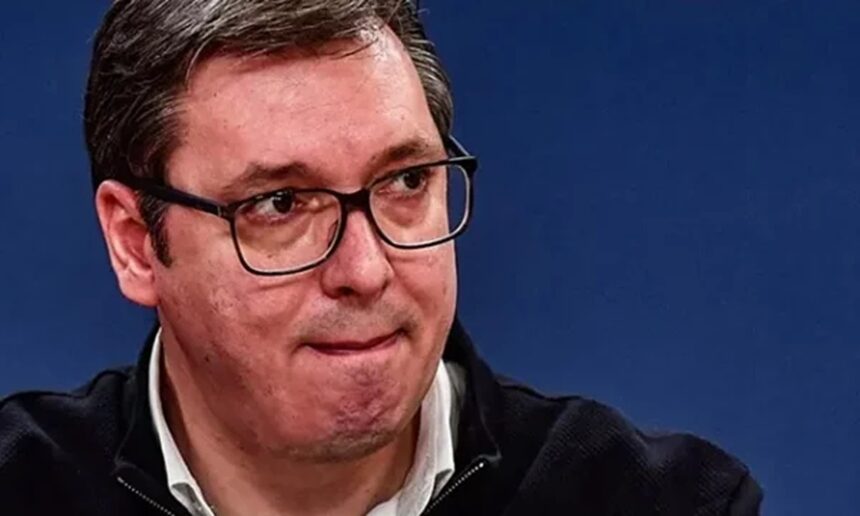
Serbia’s path toward European Union membership was one of the key topics discussed by Aleksandar Vučić during consultations with political party representatives, where differing views emerged.
According to Aleksandra Joksimović from the Center for Foreign Policy, Chapters 23 and 24 — focusing on the rule of law and the fight against organized crime — remain crucial in the enlargement process.
Joksimović emphasized that Serbia’s strategic goal continues to be membership in the European Union, regardless of differing statements from coalition partners. However, she pointed to a five-year stagnation due to the lack of progress in opening negotiation clusters.
“Serbia is still stagnating in the integration process. A key issue is the failure to impose sanctions on Russia, which the EU expects. But this is not the only concern — rule of law, media freedom, electoral laws, and the appointment of members to the regulatory authority are also slowing progress,” she noted.
She further highlighted internal debates within the EU, stressing that the current geopolitical environment makes predictions difficult, particularly in light of the ongoing Russian invasion of Ukraine.
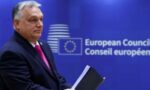
Joksimović also pointed out challenges within the EU itself, including disagreements over foreign and security policy and discussions about reforming decision-making processes — particularly the potential removal of veto power, which has hindered decisions such as aid packages for Ukraine and sanctions on Russia, partly due to opposition from Hungary.
She noted that no new country has joined the EU since 2013, despite commitments to enlargement, and that shifting security dynamics have influenced the Union’s approach to expansion.
Among candidate countries, Montenegro is currently closest to membership, while Ukraine has gained priority due to the geopolitical situation, despite stalled peace negotiations.
Joksimović concluded that Serbia — like the rest of the region — is at a crossroads:
“At this moment, we are facing a choice between expansion and disappointment. Dissatisfaction with the pace of integration is widespread, but only in Serbia does public support for EU membership fall below 50 percent.”