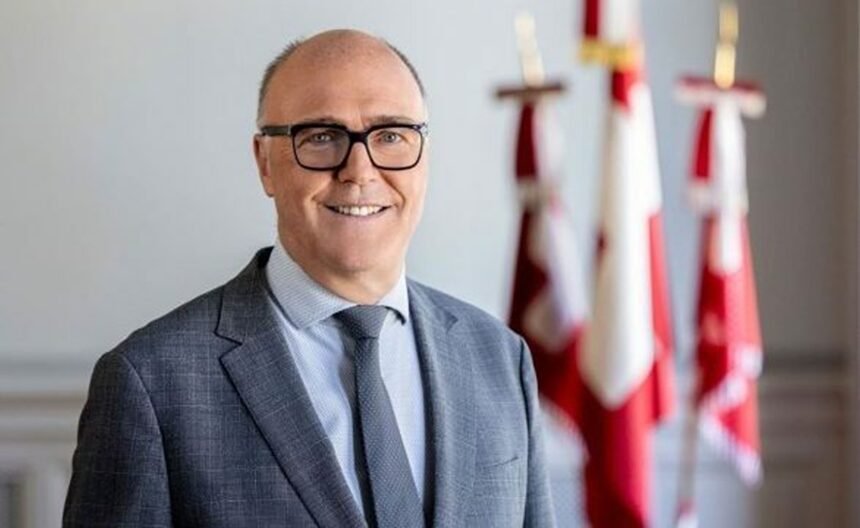
Swiss Defense Minister Martin Pfister emphasized the importance of maintaining Switzerland’s military presence in Kosovo, stating that ongoing tensions make the mission valuable, as peace and stability in the Balkans are in Switzerland’s interest.
Ahead of the expected extension of the Swisscoy mission by the Swiss Parliament, Pfister told CH Media that, even after 27 years of service, there is no end in sight. He cited incidents in northern Kosovo, such as the Pentecost 2023 events in Banjska, as examples of fragile and sometimes tense conditions. “As long as tensions continue and international stability is needed, our engagement remains valid,” he said.
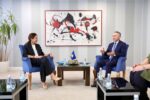
Pfister highlighted that Swiss participation is highly appreciated on the ground. “My Kosovar counterpart, Ejup Maqedonci, confirmed this during my visit last summer,” he said.
Regarding KFOR’s contribution, Pfister noted that the mission has clearly supported progress in Kosovo while preventing escalation across the region. Swiss liaison teams maintain close contact with key stakeholders, allowing for early de-escalation of tensions.
The Swisscoy mission costs approximately 50 million Swiss francs annually. Pfister defended the expense, describing it as an investment in Switzerland’s own security. He noted that instability in Europe affects Switzerland politically, economically, and socially, while the Swiss army gains practical experience in real-world conditions, including the use of new technologies such as drones. Collaboration with other armed forces further strengthens Swiss defense capabilities.
Addressing concerns about neutrality, Pfister clarified that Switzerland’s participation does not compromise its neutral stance. “As a UN-mandated mission, KFOR is based on agreements between the parties in conflict. Switzerland is committed exclusively to promoting peace; participation in combat operations to enforce peace remains out of the question,” he concluded.