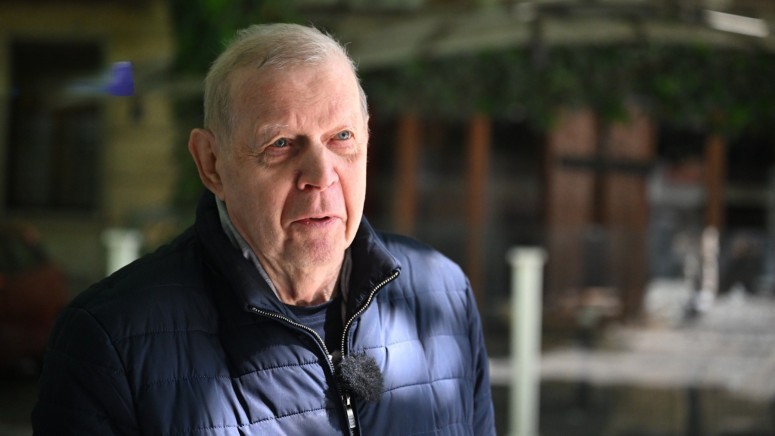
PRISTINA / BELGRADE – Career diplomat Zoran Milivojević has analyzed the recent push from Brussels to accelerate the resolution of the “Kosovo problem,” noting that the European Commission is increasingly leaning on the Ohrid Agreement as a strategic bypass for the five EU member states that still do not recognize Kosovo’s independence.
Milivojević’s comments come as Marta Kos, the European Commissioner for Enlargement, intensifies efforts to integrate the Western Balkans into the EU framework by 2026.
The “Five” and Their Stance
Despite intense pressure from Berlin and London, Milivojević argues that the five non-recognizers—Spain, Greece, Cyprus, Slovakia, and Romania—remain unlikely to shift their positions due to deep-seated national interests.
| Country | Primary Reason for Non-Recognition |
| Spain | Ongoing domestic issues with separatism in Catalonia and the Basque Country. |
| Cyprus | Direct territorial concerns regarding the occupied Northern Cyprus; recognition of Kosovo would create a dangerous precedent. |
| Greece | Strategic solidarity with Cyprus; views territorial integrity as a core national issue. |
| Romania | Principled stance on borders, particularly concerning Moldova and Bessarabia. |
| Slovakia | Concerns over regional stability and sensitive Slovak-Hungarian relations. |
The “Ohrid Agreement” Strategy
Milivojević suggests that Enlargement Commissioner Marta Kos and the EU are building their strategy on the Ohrid Agreement (2023), which has been formally integrated into Negotiating Chapter 35 for Serbia’s EU accession.
- De Facto vs. De Jure: While the agreement avoids explicit de jure recognition (legal statehood), it contains elements of de facto recognition, such as respecting territorial integrity and not blocking Kosovo’s access to international organizations.
- The “German Model”: This allows the EU to treat Kosovo as a state-like entity for integration purposes without requiring the “Five” to formally change their constitutional positions.
- Council of Europe: The acceleration of Kosovo’s bid for the Council of Europe is seen as a key step in this “actualization” of Kosovo’s status on the international stage.
Geopolitical Urgency
The diplomat pointed out that the “Kosovo issue” is being rushed due to the broader geopolitical context, specifically the wars in Ukraine and Iran.
“Enlargement is no longer only about completing the European project; it is about securing it,” Milivojević noted, echoing recent sentiments from Commissioner Kos.
However, he warned that unblocking the process remains contingent on the Belgrade-Prishtina dialogue, which is currently stalled due to disagreements over the Association of Serb-majority Municipalities (ASM).