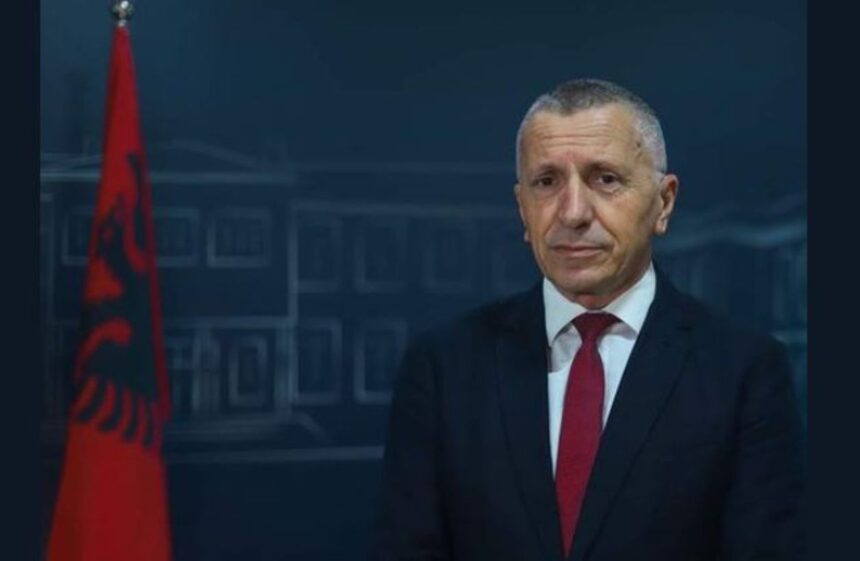
Shaip Kamberi, the sole Albanian deputy in the Serbian Parliament, has sounded the alarm following the release of a scathing report by the UN Committee on the Elimination of Racial Discrimination (CERD). Kamberi asserts that the findings validate long-standing grievances regarding the treatment of the Albanian minority in southern Serbia.
The report highlights a pattern of systemic exclusion and administrative hurdles that Kamberi describes as a “serious mirror” reflecting the daily reality for Albanians in the Preševo Valley.
Key Findings Highlighted by Kamberi
The deputy emphasized three critical areas where the Serbian state has reportedly failed to uphold international human rights standards:
- “Passivization” of Addresses: Kamberi pointed to the discriminatory application of residency laws. This administrative process results in Albanians being struck from civil registries, leading to the loss of voting rights, access to healthcare, and social services.
- Hate Speech: The UN report notes a rise in inflammatory rhetoric and hate speech directed at the Albanian minority, often going unpunished by state authorities.
- Institutional Underrepresentation: Albanians remain significantly underrepresented in state institutions, including the judiciary and local police forces, despite their demographic concentration in the region.
A Call for Institutional Response
In a public statement, Kamberi argued that these findings are not merely “technical assessments” but evidence of a coordinated policy that undermines the civil and political rights of an entire community.
“The respect for minority rights is not a matter of political choice, but an international obligation and the foundation of a democratic society,” Kamberi wrote.
He urged the Serbian government to move beyond rhetoric and implement concrete actions aligned with international conventions. The Preševo Valley—comprising the municipalities of Preševo, Bujanovac, and Medveđa—has long been a flashpoint for tensions due to what local leaders call “state-sponsored neglect.”
Regional Context
The timing of this report is particularly sensitive as Serbia faces increasing pressure from the European Union to harmonize its human rights practices. The “passivization” issue, in particular, has drawn international scrutiny as it effectively reshapes the electoral map by disenfranchising ethnic Albanian residents who live or work abroad but maintain homes in the Valley.