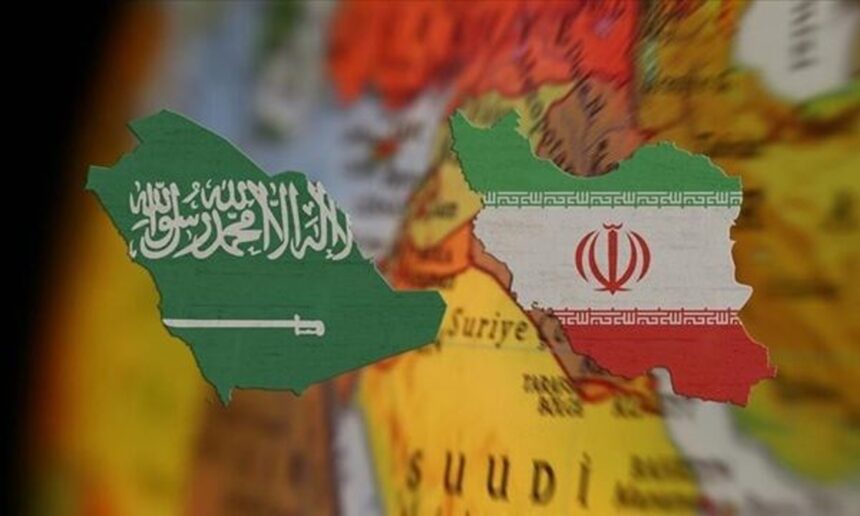
The United Arab Emirates and Israel are drawing increasingly closer, while Saudi Arabia is strengthening cooperation with Egypt, Turkey, and Pakistan, signaling emerging divisions within the Gulf and the broader Middle East region.
From a broader perspective, the UAE appears to be aligning itself in the context of escalating tensions involving the United States, Israel, and Iran — a shift that could potentially distance it from parts of the wider Arab world.
This week, reports surfaced claiming that Israel and the UAE are establishing a joint defense fund that would enable coordinated arms procurement. The report, first published by Middle East Eye, cites anonymous U.S. sources and has not been officially confirmed by any government.
According to the same reporting, the arrangement was discussed during a secret visit by Israeli Prime Minister Benjamin Netanyahu to the United Arab Emirates, which he publicly acknowledged on 13 May. However, Emirati officials have denied that such a visit took place.
Meanwhile, U.S. Ambassador to Israel Mike Huckabee stated that Israel has provided the UAE with air defense systems to help counter potential threats from Iran.
These developments, along with reports suggesting that the UAE may be reconsidering its long-standing membership in OPEC, have intensified analysis that the political order in the Middle East is undergoing significant change.
Analysts suggest the gradual formation of two emerging blocs: one centered around the UAE and Israel, and another involving Saudi Arabia, Pakistan, Turkey, and Egypt.
Experts describe this as a broader “redistribution of power” in the region, characterized less by fixed alliances and more by shifting, flexible partnerships shaped by an increasingly unstable geopolitical environment.