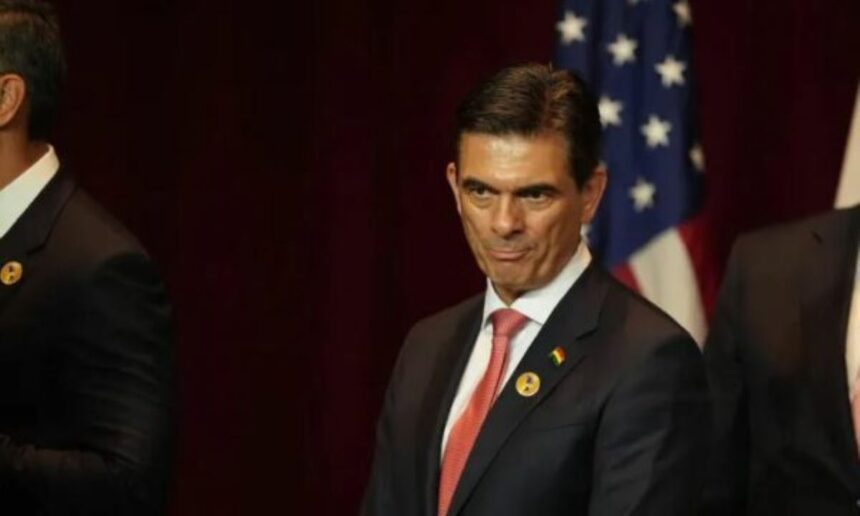
Facing an escalating political and economic crisis, Bolivian President Rodrigo Paz announced a dramatic 50% salary cut for himself and his entire cabinet of ministers.
The announcement, delivered during a state event in Bolivia’s constitutional capital of Sucre, is widely seen as an attempt to project solidarity with a population grappling with the country’s worst economic downturn since the 1980s.
President Paz on the Austerity Measure: “This salary reduction demonstrates the government’s absolute commitment to our citizens and reflects our shared sacrifice during the profoundly difficult period our nation is traversing.”
Hyperinflation and Gridlocked Infrastructure
The center-right administration, which assumed office just six months ago, has seen its public approval plummet as domestic fiscal conditions deteriorate rapidly.
Central to the public’s outrage is a punishing cost-of-living crisis. In April, Bolivia’s annual inflation rate climbed to a staggering 14%, eroding consumer purchasing power and sparking panic over food security.
[Bolivia Economic Indicators — May 2026]
   │
   ├─► Annual Inflation (April): 14% (Highest since the 1980s)
   ├─► Executive Salary Reduction: -50%
   └─► Crisis Duration: Entering 4th week of systemic civil unrest
The economic squeeze has triggered widespread, coordinated revolts from diverse labor sectors, including:
- Indigenous farmers and agricultural laborers
- Unionized miners and factory workers
- Public school teachers and transport operators
A Nation Under Blockade
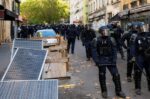
As Bolivia enters its fourth consecutive week of intense political and social upheaval, organized blockades along primary transit corridors have effectively paralyzed domestic commerce.
Demonstrators have set up heavily guarded roadblocks on major highways, choking off supply chains to urban centers. The blockades have resulted in critical, nationwide shortages of essential goods, leaving several regions completely depleted of food, commercial fuel, and life-saving medicines.
Despite President Paz’s symbolic salary concession, protest leaders, trade unions, and opposition factions maintain their core demands. They insist that the executive pay cuts are a superficial remedy, reiterating their calls for an immediate rollback of aggressive government austerity measures, concrete interventions to curb the rising cost of living, and the immediate resignation of President Paz.